2301 Technology Drive, O’Fallon, MO 63368

Drooling After Medication: What’s Normal and What’s Not in Pets
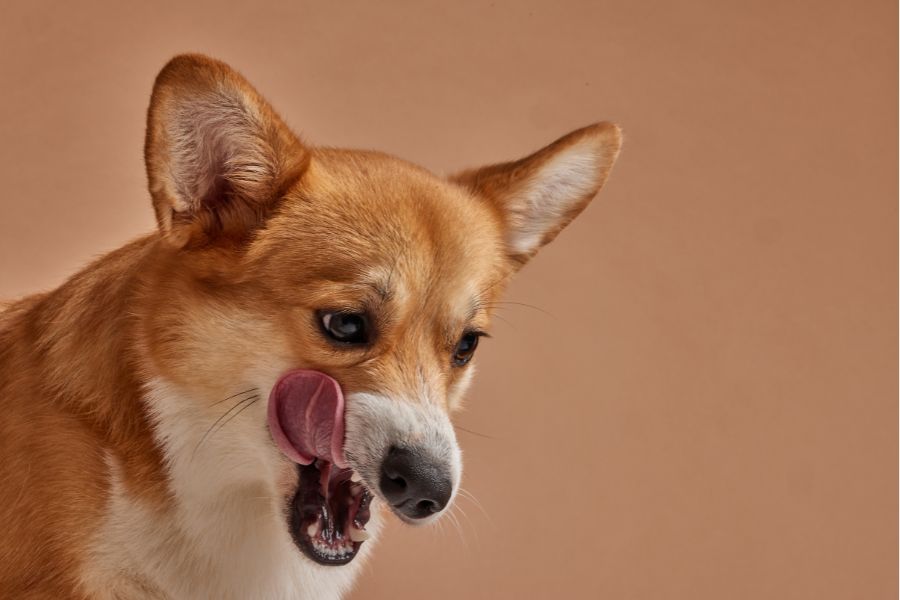
Every pet parent knows the challenges of giving medication to their furry companion. Some pets take their medicine without much fuss, while others resist every attempt. But one common reaction that often leaves owners concerned is drooling. A little slobber may seem harmless, yet persistent or unusual drooling after medication can signal more than just distaste. Understanding the difference between normal and abnormal drooling is key to protecting your pet’s health.
The Slobber Story: Why Pets Drool After Medicine
Pets, especially cats and dogs, use drooling as a natural response to certain tastes and sensations. Many medications have a bitter flavor or unusual texture, which can trigger excess saliva production. Think of it as your pet’s built-in defense system against unpleasant tastes. Just like humans wrinkle their noses at sour or bitter foods, pets use drool to “wash out” the bad taste.
When Drooling is Completely Normal
Not all drooling needs to set off alarm bells. In fact, there are several common reasons your pet may drool right after taking medication:
-
Unpleasant Taste: Some pills or liquids are naturally bitter, which can trigger saliva.
-
Foamy Mouth Reaction: Certain medicines, especially in liquid form, can create foamy drool when mixed with saliva.
-
Short-Term Effect: Drooling that lasts only a few minutes usually indicates your pet is just reacting to taste rather than experiencing harm.
If the drooling stops quickly and your pet resumes normal behavior, chances are it’s nothing to worry about.
The Red Flags: When Drooling Signals Trouble
While occasional slobber is harmless, excessive or prolonged drooling can point to something more serious. Here’s when you should pay close attention:
-
Difficulty Breathing or Swallowing: This may indicate swelling in the throat or an allergic reaction.
-
Pawing at the Mouth: A sign your pet may have chemical irritation or even a lodged pill.
-
Continuous Drooling Beyond 20 Minutes: Prolonged drooling isn’t typical and should be addressed.
-
Other Symptoms, Vomiting, lethargy, or refusal to eat, often accompany a reaction that needs medical attention.
When these signs appear, it’s best to call your veterinarian O’Fallon right away for guidance.
Allergic Reactions: A Rare but Serious Cause
Though rare, some pets may be allergic to a particular medication. Drooling can be an early warning sign of an allergic response. This may be accompanied by swelling of the face, hives, or even collapse. Allergic reactions can progress quickly, making it essential to seek emergency care immediately if you notice these symptoms.
The Hidden Danger: Accidental Overdose
Another reason pets might drool excessively after medication is an accidental overdose. If your pet manages to chew into the medicine bottle or receives a higher dose than prescribed, drooling can be one of the first visible symptoms. Overdose often comes with other worrying signs such as tremors, diarrhea, or seizures. In such cases, rushing to the nearest The Pet Doctor- O’Fallon is the safest choice.
Helping Your Pet Swallow Medicine Without the Slobber
No one likes to see their pet uncomfortable, and minimizing drooling often comes down to how you give the medication. Here are some tips to make the process smoother:
-
Use Pill Pockets: Soft treats designed to hide pills mask the taste and reduce drooling.
-
Crush and Mix (If Allowed): Always check with your vet first, but some medicines can be mixed into food.
-
Follow With Water: A small syringe of water after giving medication can wash away bitter residue.
-
Try Compounded Medications: Some pharmacies can prepare flavored versions of bitter medicines to improve acceptance.
The Importance of Professional Guidance
It’s easy to worry when your pet starts drooling after medication, but professional guidance can help distinguish between normal reactions and medical emergencies. Regular check-ups ensure your pet’s prescribed medicines are safe, effective, and suitable for their condition.
Your veterinarian is also the best person to adjust doses, recommend alternatives, or identify allergies. Never adjust or stop medications on your own—doing so may put your pet’s health at risk.
Drooling after medication isn’t always cause for panic, but it’s never something to ignore completely. Short-term slobber usually just means your pet dislikes the taste, while prolonged or excessive drooling can point to a serious health issue.
As a pet parent, your job is to observe, stay calm, and act when necessary. If you’re ever unsure, contacting your veterinary team will reassure you and support you need. After all, your pet depends on you to make the best decisions for their well-being.