
2301 Technology Drive, O’Fallon, MO 63368

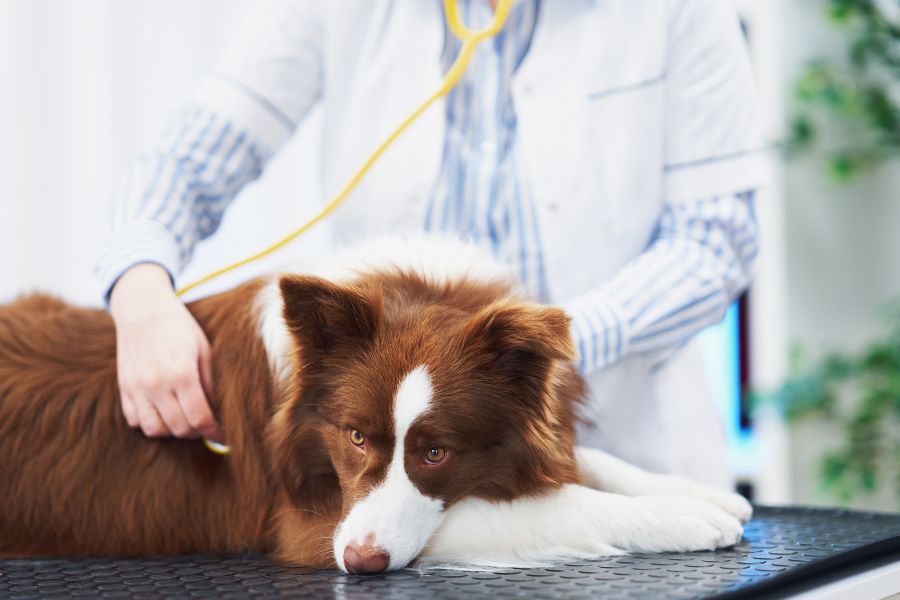
When you are searching for a veterinarian, you want more than a convenient location or a friendly front desk. You want to know that the clinic holding your pet’s health in its hands actually meets a proven standard of excellence. That is exactly what AAHA accreditation signals. The American Animal Hospital Association sets some of the most rigorous veterinary care standards in the country, and only a fraction of animal hospitals earn this recognition. At The Pet Doctor in O’Fallon, MO, AAHA accreditation is not just a plaque on the wall. It is a daily commitment to the kind of care your pet deserves at every visit.
What Is AAHA and Why Does It Matter?
The American Animal Hospital Association (AAHA) is a nonprofit organization that has been setting standards for companion animal care since 1933. Unlike state licensing, which represents the legal minimum required to practice veterinary medicine, AAHA accreditation is entirely voluntary. Clinics pursue it because they want to be held to a higher bar, not because they have to be.
To become AAHA-accredited, an animal hospital must pass a comprehensive evaluation covering more than 900 standards across areas like patient care, pain management, surgery, anesthesia, pharmacy, and diagnostic imaging. An outside evaluator conducts an in-person review of the facility, equipment, and protocols, and accreditation must be renewed every three years.
Less than 15 percent of veterinary practices in the United States and Canada hold this credential. That means when you choose an AAHA-accredited animal hospital, you are already narrowing your choice to a small group of clinics that take quality seriously enough to be independently verified.
What Standards Does AAHA Actually Require?
This is where the real value becomes clear. The AAHA evaluation does not just check whether a clinic looks clean or has modern equipment. It examines whether the hospital follows documented, evidence-based protocols for every major aspect of care.
Some of the core areas covered include:
- Anesthesia and patient monitoring: Specific equipment and staffing requirements to keep pets safe during procedures
- Pain management: Written protocols for assessing and treating pain before, during, and after surgery or illness
- Dentistry: Standards for safe dental cleanings under anesthesia, including proper monitoring
- Infection control: Protocols to prevent the spread of illness between patients
- Emergency and critical care: Readiness requirements for handling urgent cases
- Medical records: Documentation standards that ensure continuity of care across every visit
- Staff training and continuing education: Ongoing learning requirements for the entire veterinary team
Each of these categories has specific, measurable benchmarks. A clinic cannot simply claim it meets them. It must demonstrate compliance to a trained AAHA evaluator.
How AAHA Accreditation Shapes Your Pet’s Visit?
Beyond the paperwork, accreditation has a real effect on what happens when your pet walks through the door. Consider a routine dental cleaning. At an AAHA-accredited veterinarian’s office, your pet will have pre-anesthetic blood work reviewed, receive individualized anesthetic monitoring throughout the procedure, and be assessed for pain before and after. A non-accredited clinic may follow similar steps, but there is no independent body confirming that they do.
That consistency matters, especially for older pets or those with underlying health conditions. A senior dog going in for a tooth extraction carries more risk than a young, healthy one. Knowing that your veterinary team follows documented protocols for exactly these situations provides real peace of mind.
Here is a scenario that illustrates the difference. Imagine a seven-year-old Labrador named Max who needs a mass removed from his shoulder. His owner is understandably nervous. At an AAHA-accredited facility, Max’s anesthesia plan is tailored to his age and health history, a team member monitors his vitals throughout the surgery, and his pain is managed with a written protocol before he even wakes up. That is not a lucky outcome. It is a standard outcome at an accredited hospital.
What to Expect During Your Visit to an AAHA Accredited Clinic?
Walking into an accredited animal hospital, you will likely notice a few things. The facility is clean and organized. The team communicates clearly, explains procedures before performing them, and follows up after significant treatments. Medical records are detailed and accessible. These are not coincidences. They are the result of systems that AAHA requires clinics to maintain.
During a wellness visit at an AAHA-accredited practice, you can typically expect:
- A thorough physical exam with documented findings
- Age-appropriate preventive care recommendations based on current guidelines
- A conversation about your pet’s nutrition, weight, and behavior
- Clear communication about any concerns and the next steps for addressing them
- A follow-up plan if anything requires monitoring
The goal is not just to treat illness. It is to catch problems early, keep your pet healthy longer, and give you the information you need to make good decisions for your animal.
Why Pet Owners in O’Fallon Choose an Accredited Veterinarian?
Pet owners have more choices than ever when it comes to veterinary care. Urgent care clinics, mobile vets, and large corporate chains have all entered the market. In that landscape, accreditation serves as an honest, third-party signal of quality that advertising cannot replicate.
Choosing an AAHA-accredited veterinarian means you are not relying on reviews alone. You are relying on an independent evaluation that has checked the actual standards of care at that facility. For many pet owners, that distinction is the deciding factor, especially when a pet has a chronic condition, is scheduled for surgery, or simply needs consistent, high-quality preventive care over a lifetime.
Beyond the standards themselves, accredited practices tend to attract and retain veterinary professionals who take pride in their work. Continuing education requirements mean the team stays current with the latest developments in veterinary medicine, from updated vaccine protocols to new pain management options. That benefits every patient who comes through the door.
Benefits of Choosing an AAHA Accredited Animal Hospital
To put it simply, here is what AAHA accreditation means for your pet on a practical level:
- Safer anesthesia with individualized monitoring protocols
- Better pain management before and after procedures
- More consistent medical record-keeping that supports continuity of care
- A team that meets ongoing training requirements
- Facility and equipment standards verified by an outside evaluator
- A higher likelihood of catching health issues early through thorough wellness exams
None of these guarantees a perfect outcome. Veterinary medicine, like human medicine, involves uncertainty. What accreditation guarantees is that the team caring for your pet is working within a proven, regularly evaluated framework.
Conclusion
AAHA accreditation is one of the clearest signals that a veterinary practice is committed to doing things the right way, not just the easy way. It represents hundreds of standards, an independent evaluation, and a renewal process that keeps clinics accountable over time. For pet owners who want to know their animal is in genuinely capable hands, it is a credential worth seeking out. The Pet Doctor in O’Fallon, MO, is proud to meet these high-quality veterinary care standards and to bring that level of commitment to every patient we see. If you are ready to experience the difference accreditation makes, call us today or visit our website to schedule an appointment for your pet.
Frequently Asked Questions
Q1: What does AAHA accreditation mean for a veterinary clinic?
Ans: AAHA accreditation means a veterinary clinic has voluntarily undergone an in-person evaluation and met more than 900 standards set by the American Animal Hospital Association. These standards cover everything from anesthesia protocols and pain management to infection control and staff training. It is a mark of quality that goes well beyond what state licensing requires.
Q2: How many veterinary clinics are AAHA-accredited?
Ans: Fewer than 15 percent of animal hospitals in the United States and Canada hold AAHA accreditation. Because it is voluntary and requires an in-person evaluation, most clinics never pursue it. Choosing an accredited hospital puts your pet in the care of a practice that has been independently verified to meet high standards.
Q3: Does AAHA accreditation cost more for pet owners?
Ans: Not necessarily. The cost of veterinary care at an AAHA-accredited animal hospital is generally comparable to that of non-accredited clinics in the same area. What you are getting is not a more expensive service but a more consistently high-quality one, backed by documented protocols and independent evaluation.
Q4: How often does an AAHA-accredited veterinarian have to renew accreditation?
Ans: AAHA accreditation must be renewed every three years. During that renewal process, the clinic is re-evaluated to confirm it continues to meet current standards. This ongoing requirement means accreditation reflects a clinic’s present performance, not just a one-time achievement.
Q5: When should I look for an AAHA-accredited vet for my pet?
Ans: Any time is a good time to seek out an accredited practice, but it is especially important if your pet needs surgery, is managing a chronic condition, or is entering their senior years when more complex care becomes likely. An AAHA-accredited veterinarian follows protocols designed to keep higher-risk patients as safe as possible throughout diagnosis and treatment.