
2301 Technology Drive, O’Fallon, MO 63368

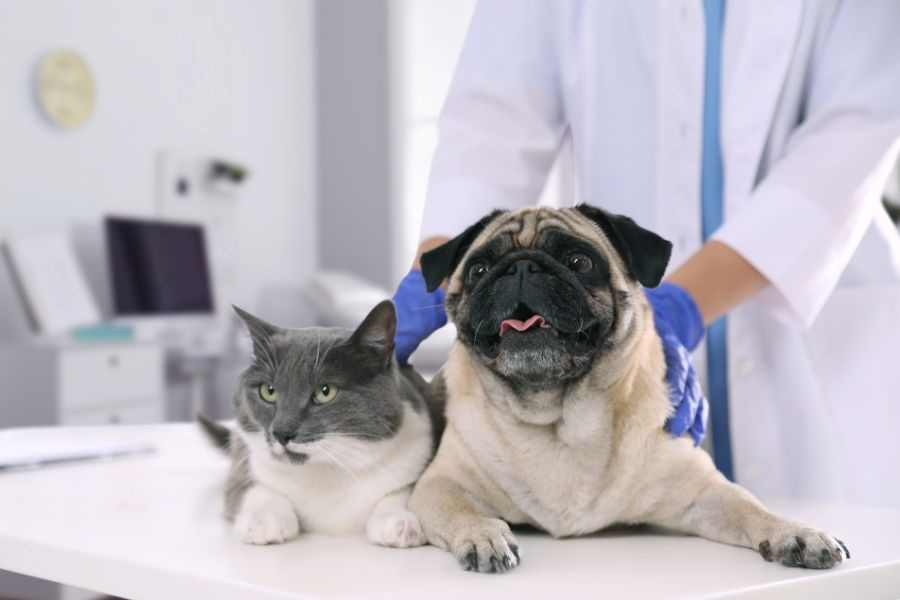
Regular wellness exams are one of the best ways to help your pet live a longer, healthier life. Dogs and cats age faster than humans, which means health issues can develop quickly between visits. Knowing how often your dog or cat should have a wellness exam helps catch problems early, maintain vaccinations, and keep your pet feeling their best at every life stage.
In this guide, you’ll learn how often pets need wellness exams, what veterinarians check during these visits, and why preventive care matters for puppies, kittens, adult pets, and seniors.
Why Wellness Exams Matter for Pets?
A wellness exam is more than a routine checkup. It gives your veterinarian the chance to monitor your pet’s overall health, detect early signs of illness, and recommend preventive care before problems become serious.
Many pets hide pain or discomfort naturally. By the time symptoms become obvious, a condition may already be advanced. Routine wellness exams help identify concerns early, including:
- Dental disease
- Arthritis
- Weight gain or obesity
- Heart disease
- Diabetes
- Kidney disease
- Skin conditions
- Parasites
- Behavioral changes
Preventive veterinary care can improve your pet’s quality of life and often reduces long-term treatment costs.
How Often Should Puppies and Kittens Have Wellness Exams?
Puppies and kittens need frequent veterinary visits during their first year because they grow rapidly and require vaccinations, parasite prevention, and developmental monitoring.
Most young pets should have a wellness exam every 3 to 4 weeks until they are about 16 weeks old.
During these visits, your veterinarian may:
- Administer core vaccinations
- Check growth and weight
- Examine teeth and jaw development
- Test for intestinal parasites
- Discuss nutrition
- Provide flea and tick prevention
- Talk about spaying or neutering
- Address behavior and training questions
Early wellness care builds a strong foundation for lifelong health.
How Often Should Adult Dogs and Cats Have Wellness Exams?
Most healthy adult dogs and cats should have a wellness exam once a year.
Annual exams allow veterinarians to track subtle changes in your pet’s health over time. Even if your pet appears healthy, many medical conditions can develop silently.
A yearly wellness exam often includes:
- Full physical examination
- Weight and body condition assessment
- Heart and lung evaluation
- Dental check
- Vaccine updates
- Parasite screening
- Nutrition review
- Bloodwork recommendations
- Lifestyle and behavior discussion
Indoor cats also need annual exams. Even though they may face fewer risks than outdoor pets, they can still develop chronic illnesses, dental disease, or weight-related issues.
Senior Pets Need More Frequent Wellness Exams
Senior pets benefit from wellness exams every 6 months. Since pets age faster than humans, waiting a full year between appointments can allow age-related conditions to progress unnoticed.
Most dogs and cats are considered seniors around:
- 7 years old for many dogs
- 10 years old for smaller dogs
- 7 to 10 years old for cats
Large-breed dogs may become seniors earlier than smaller breeds.
Senior wellness exams help monitor conditions such as:
- Arthritis
- Vision or hearing loss
- Heart disease
- Cancer
- Kidney disease
- Liver disease
- Thyroid problems
- Cognitive decline
Your veterinarian may also recommend diagnostic testing, including bloodwork, urinalysis, or blood pressure checks, to monitor internal health changes.
What Happens During a Pet Wellness Exam?
A wellness exam is a comprehensive health evaluation tailored to your pet’s age, breed, lifestyle, and medical history.
Your veterinarian will usually examine:
Weight and Body Condition
Sudden weight changes may indicate an underlying illness. Obesity is also a major concern in pets and can increase the risk of diabetes, joint problems, and heart disease.
Eyes, Ears, and Skin
The veterinarian checks for infections, allergies, lumps, irritation, or abnormalities.
Teeth and Gums
Dental disease is extremely common in pets. Bad breath, inflamed gums, or tartar buildup may signal oral health issues.
Heart and Lungs
Listening to the heart and lungs helps detect murmurs, breathing issues, or abnormal rhythms.
Abdomen and Internal Organs
Your veterinarian gently feels the abdomen to check for pain, swelling, or unusual masses.
Mobility and Joint Health
Especially important for aging pets, this part of the exam helps identify stiffness, arthritis, or reduced mobility.
Signs Your Pet May Need a Wellness Exam Sooner
Even with a regular schedule, some symptoms mean your pet should see a veterinarian sooner rather than later.
Watch for signs like:
- Changes in appetite
- Increased thirst
- Vomiting or diarrhea
- Weight loss or gain
- Lethargy
- Limping
- Bad breath
- Frequent scratching
- Coughing or sneezing
- Behavioral changes
- Difficulty urinating
Pets often hide discomfort, so small changes can be important warning signs.
Do Indoor Pets Still Need Wellness Exams?
Yes. Indoor pets still need routine wellness exams at least once a year.
Indoor cats and dogs may have lower exposure to some infectious diseases, but they are still at risk for:
- Dental disease
- Obesity
- Diabetes
- Arthritis
- Kidney disease
- Heart conditions
- Cancer
Routine exams also help keep vaccinations and preventive medications up to date.
The Role of Preventive Testing
Preventive testing is an important part of modern veterinary care. Many veterinarians recommend routine screening tests even when pets seem healthy.
Common preventive tests include:
- Bloodwork
- Fecal exams
- Heartworm testing
- Urinalysis
- Blood pressure checks
- Thyroid screening
These tests can reveal hidden illnesses before symptoms appear, giving pets a better chance at successful treatment.
How Wellness Exams Save Money Long-Term?
Some pet owners delay veterinary visits because their pet seems healthy. However, preventive care is often less expensive than emergency treatment for advanced illness.
For example:
- Treating mild dental disease early costs less than dental surgery later
- Early diabetes detection helps prevent complications
- Weight management reduces joint and mobility problems
- Routine parasite prevention avoids costly infections
Regular wellness exams are an investment in your pet’s long-term health and comfort.
Tips for Making Vet Visits Less Stressful
Some pets become anxious during veterinary visits, but a few simple steps can help.
For Dogs
- Bring favorite treats or toys
- Take a short walk before the appointment
- Use positive reinforcement
For Cats
- Leave the carrier at home before the visit
- Use a soft blanket with familiar scents
- Cover the carrier during travel to reduce stress
Calm, positive experiences can make future wellness exams easier for both pets and owners.
Conclusion
Preventive care that includes all types of wellness exams plays a critical role in helping dogs and cats stay healthy throughout their lives. Puppies and kittens need frequent visits, healthy adults typically benefit from yearly exams, and senior pets often need checkups every six months. Regular veterinary care helps detect health problems early, supports preventive care, and gives your pet the best chance for a long and comfortable life. If your pet is due for a wellness exam, contact a vet near you, The Pet Doctor in O’Fallon, to schedule an appointment and keep your furry companion on the path to lifelong health.
FAQs
Q1: How often should a healthy dog have a wellness exam?
Ans: Most healthy adult dogs should have a wellness exam once a year. Senior dogs or pets with medical conditions may need exams every six months.
Q2: How often should indoor cats see the vet?
Ans: Indoor cats should still have annual wellness exams to monitor their overall health, weight, dental condition, and preventive care needs.
Q3: What is included in a pet wellness exam?
Ans: A wellness exam typically includes a physical exam, weight check, dental evaluation, vaccine review, parasite screening, and discussion about nutrition and behavior.
Q4: At what age is a pet considered senior?
Ans: Many pets are considered seniors around age 7, although smaller dog breeds may age more slowly and become seniors later.
Q5: Are wellness exams necessary if my pet seems healthy?
Ans: Yes, many health conditions develop without obvious symptoms. Routine wellness exams help detect problems early before they become more serious.