2301 Technology Drive, O’Fallon, MO 63368

Most pet parents focus on food, exercise, and grooming — but what about dental health? It’s easy to overlook, yet dental hygiene plays a major role in your pet’s overall well-being. Just like us, pets can develop tartar, gum disease, infections, and even lose teeth if their oral health is neglected.
Poor dental hygiene doesn’t just cause bad breath. It can lead to severe pain, difficulty eating, and even organ damage. That’s why regular dental care is not a luxury — it’s a necessity.
What Happens in Your Pet’s Mouth
Let’s break it down. After every meal, bacteria in your pet’s mouth mix with food particles and form plaque. If not removed, plaque hardens into tartar. This buildup can irritate the gums, leading to gingivitis and eventually, periodontal disease.
When bacteria from infected gums enter the bloodstream, they can affect the liver, kidneys, and even the heart. In advanced cases, pets may stop eating altogether due to pain.
Signs Your Pet Might Need Dental Help
Many pets suffer silently from dental disease. They may continue to play and eat normally even while in discomfort. Keep an eye out for these warning signs:
- Bad breath (worse than normal)
- Drooling more than usual
- Pawing at the mouth
- Bleeding or red gums
- Loose or missing teeth
- Difficulty chewing
If you notice any of these symptoms, it’s time for a dental check-up.
Why Routine Dental Checkups Are Game-Changers
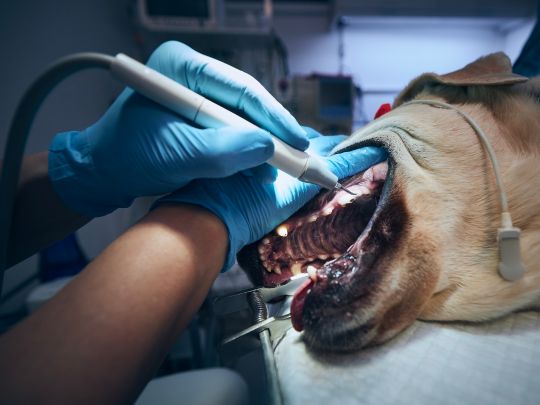
Keeping up with regular dental checkups and cleanings is a great way to catch most dental problems before they escalate. Vets have special tools that help them get rid of plaque and tartar, especially in those tricky spots that your toothbrush just can’t reach.
Beyond cleaning, dental exams allow your vet to detect hidden problems like fractured teeth or oral tumors. Catching issues early makes treatment more effective and less expensive in the long run.
Home Dental Care: Small Habits, Big Impact
While professional cleanings are vital, daily home care keeps your pet’s mouth in good shape between visits. Here are some practical tips:
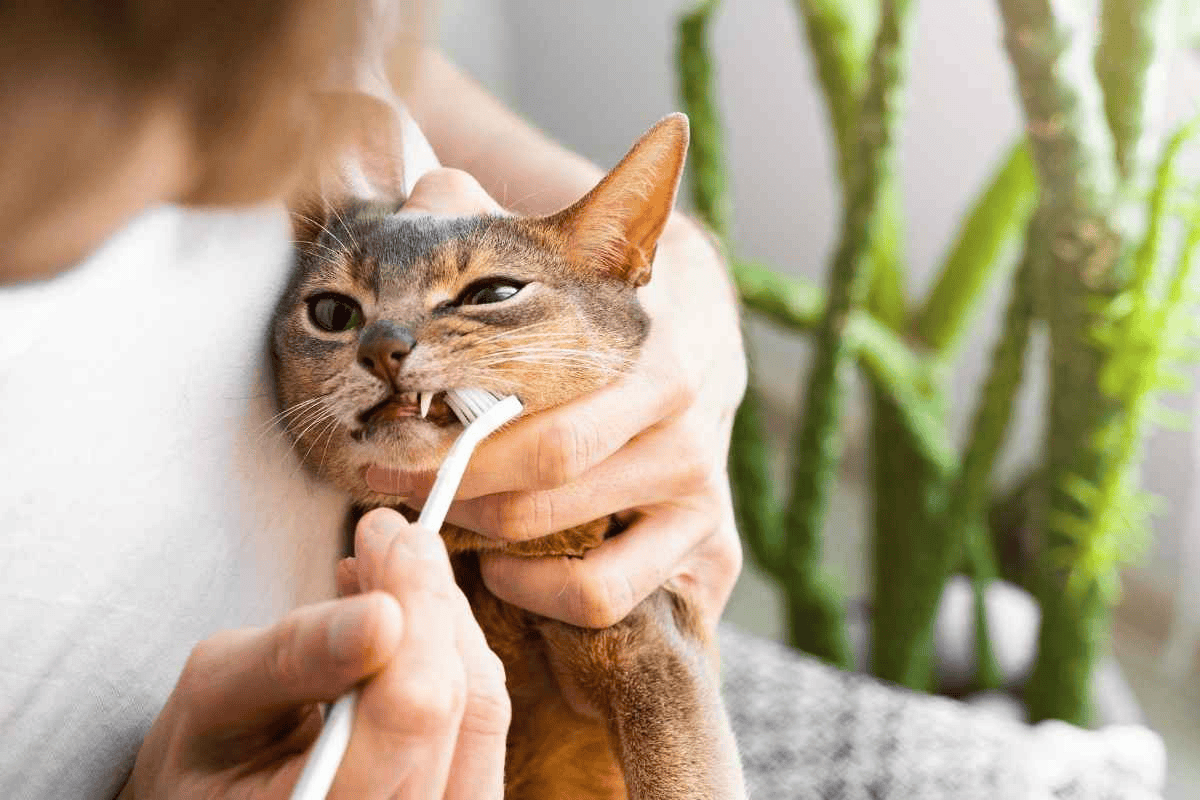
- Brush their teeth: Yes, pets need it too! Use a pet-safe toothbrush and toothpaste.
- Dental chews and toys: These help scrape off plaque and entertain your pet at the same time.
- Water additives: Easy to use, and they can freshen breath while reducing bacteria.
- Dental diets: Specially formulated foods help reduce plaque.
Start slowly and be patient — consistency is key.
Choosing the Right Pet Dentist
Not all veterinary clinics offer the same level of dental care. When searching for pet dentistry in O’Fallon, look for a clinic that:
- Offers full dental cleanings under anesthesia
- Performs dental X-rays for accurate diagnosis
- Provides extractions and oral surgery if needed
- Educates pet owners on at-home dental hygiene
A good dental team will also help you understand your pet’s specific needs, breed risks, and care tips.
The Hidden Costs of Skipping Dental Care
Skipping dental care might seem like a way to save money — but untreated dental disease often leads to higher veterinary bills later on. Advanced gum disease may require tooth extractions, antibiotics, or even surgery. Meanwhile, your pet suffers silently through preventable pain. Investing in dental health early can save not just money, but your pet’s comfort and quality of life.
Tailoring Dental Care by Breed and Age
Not all pets have the same dental needs. Small breeds, like Chihuahuas or Yorkies, are prone to overcrowded teeth and early gum disease. Cats, especially seniors, can suffer from painful conditions like stomatitis or resorptive lesions.
Puppies and kittens need early exposure to tooth brushing, while senior pets require more frequent checks. A personalized dental care plan makes a big difference — and your vet can help you craft one that fits.
A Parting Smile: Make Dental Care Part of Everyday Pet Love
Dental care isn’t just about sparkling teeth — it’s about ensuring your pet lives a longer, healthier, and more comfortable life. As part of overall pet care in O’Fallon, routine dental exams and daily maintenance can prevent disease and improve your pet’s vitality.
Remember, prevention always beats treatment. A few minutes a week dedicated to dental care can save you — and your pet — from years of avoidable pain.
A healthy mouth equals a happy pet. So the next time you see your furry friend flash those teeth, make sure they’re as clean as they are cute. Your pet deserves a lifetime of smiles.