2301 Technology Drive, O’Fallon, MO 63368

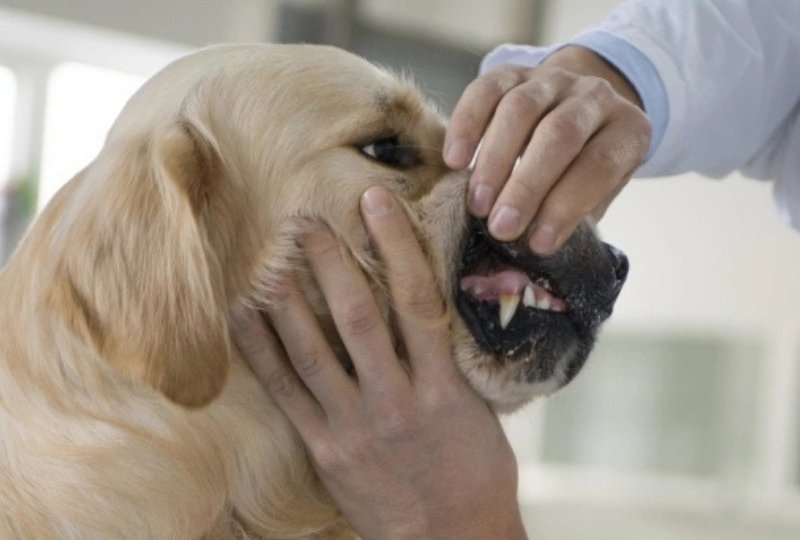
Does your feline friend’s breath make you wince during cuddle time? You’re not alone – dental disease affects nearly 70% of cats by age three, making oral health a critical aspect of feline wellness. While regular visits to a pet dentist in O’Fallon provide professional cleanings, establishing a home dental routine can significantly improve your cat’s oral health between appointments.
Many cat owners assume that teeth brushing requires expensive, experts equipment, but you’d be surprised what household items can effectively clean your cat’s teeth. By mastering these simple techniques, you’ll help prevent painful dental issues, save on veterinary bills, and keep your kitty’s pearly whites healthy for years to come.
Understanding Your Cat’s Dental Health Needs
Why Cats Need Regular Teeth Cleaning
Cats naturally hide pain and discomfort, making dental disease particularly dangerous. Plaque buildup leads to tartar formation within days, potentially causing gingivitis, tooth resorption, and systemic infections affecting the heart and kidneys.
Wild cats naturally clean their teeth by chewing raw prey bones. However, domestic cats eating commercial diets lack this natural cleaning mechanism, requiring human intervention to maintain oral health.
Signs Your Cat Needs Dental Care
Watch for these warning signs indicating dental issues:
- Bad breath (halitosis)
• Yellow or brown tooth discoloration
• Red, swollen, or bleeding gums
• Difficulty eating or dropping food
• Pawing at the mouth
• Excessive drooling
• Weight loss or decreased appetite
Preparing Your Home Dental Kit
Essential Items You Already Have
Before starting, gather these common household items:
Clean washcloth or gauze pad – Perfect for beginners and nervous cats. The texture helps remove plaque while being gentler than bristles.
Tuna juice or chicken broth – Natural, cat-safe “toothpaste” alternatives that make the experience more enjoyable.
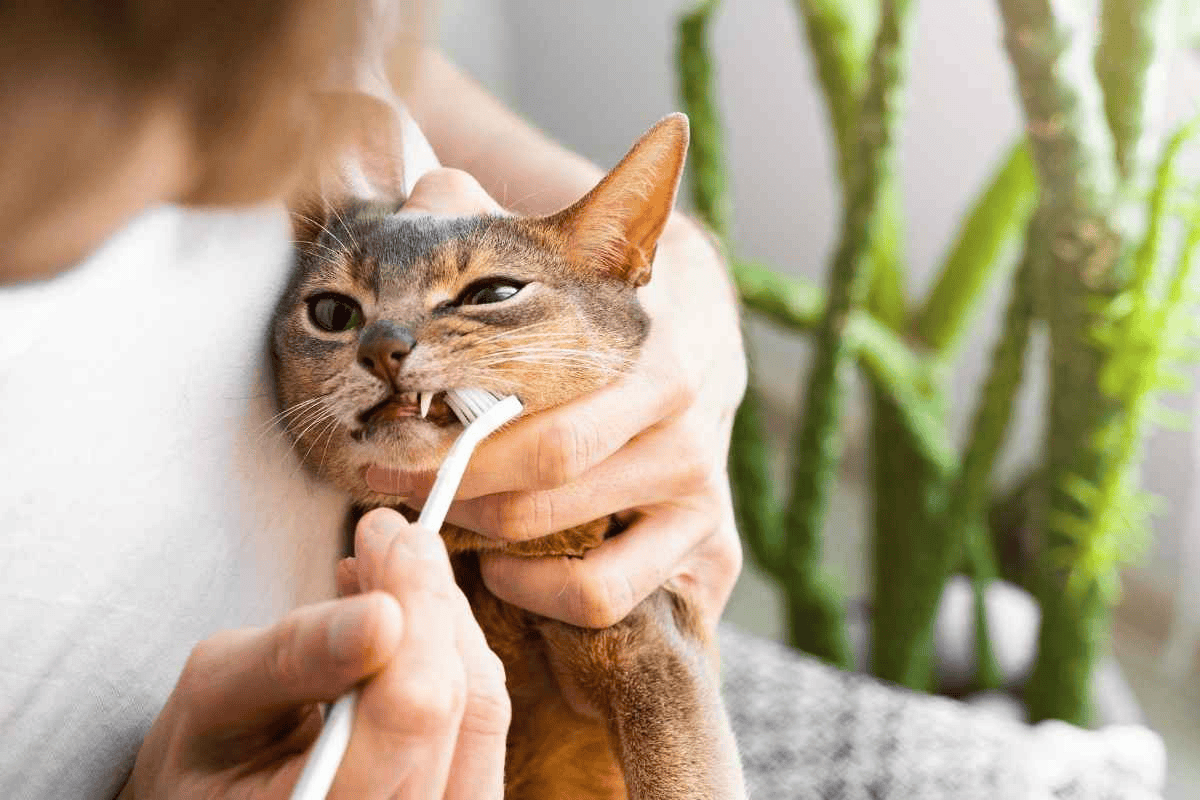
Soft child’s toothbrush – If you have one available, the small head and soft bristles work perfectly for adult cats.
Cotton swabs – Ideal for reaching back molars and precise cleaning around gum lines.
The 5-Step Teeth Brushing Process
Step 1: Create a Calm Environment
Choose a quiet time when your cat feels relaxed. Dim the lights slightly and speak in soothing tones. Place your cat on a comfortable surface at chest height – a bathroom counter or bed works perfectly.
Start by gently petting your cat’s head and cheeks, gradually working toward the mouth area. This builds trust and reduces anxiety.
Step 2: Introduce the Taste
Dip your finger in tuna juice or low-sodium chicken broth. Let your cat lick it off, creating positive associations with the dental routine.
Once comfortable, gently rub the flavored liquid on their gums and teeth using your finger. This familiarizes them with mouth handling.
Step 3: Apply the Cleaning Tool
Wrap a damp washcloth around your index finger. Add a small amount of the flavored liquid for encouragement.
Gently lift your cat’s lip and use circular motions to clean the outer tooth surfaces. Focus on the gum line where plaque accumulates most.
Step 4: Focus on Problem Areas
Pay special attention to the back molars and canines, which accumulate the most tartar. Use cotton swabs dipped in broth for precision cleaning in these areas.
Work in 30-second intervals, giving your cat breaks to swallow and relax. Most cats tolerate short sessions better than lengthy ones.
Step 5: Reward and Repeat
End each session with treats, playtime, or extra affection. This creates positive associations, making future brushing sessions easier.
Aim for daily brushing, but even twice weekly significantly improves dental health. Consistency matters more than perfection.
Professional Support and When to Seek Help
While home care proves invaluable, some situations require professional intervention. If you notice severe tartar buildup, loose teeth, or persistent bad breath despite regular brushing, schedule an appointment with a pet dentist in O’Fallon for a comprehensive evaluation.
Professional cleanings remove tartar below the gum line – something home brushing cannot accomplish. Most veterinarians recommend annual dental examinations, with cleanings as needed based on individual assessment.
Making Teeth Brushing a Positive Experience
Tips for Reluctant Cats
Start slowly – Begin with just touching the mouth area for several days before introducing cleaning.
Use distractions – Have a helper offer treats or gentle petting during brushing.
Try different positions – Some cats prefer being held like babies, while others feel secure on solid ground.
Consider alternatives – Dental wipes, water additives, or dental treats supplement brushing for extremely resistant cats.
Maintaining your cat’s dental health doesn’t require expensive equipment or professional training. With patience, consistency, and household items you already own, you can establish an effective oral care routine that prevents serious health issues.
Remember, while home brushing proves incredibly beneficial, it complements rather than replaces professional dental care. Schedule regular check-ups to ensure your feline friend maintains optimal oral health throughout their life.
Frequently Asked Questions
Q1: Can I use human toothpaste on my cat?
A: Never use human toothpaste on cats. It contains fluoride and xylitol, which are toxic to felines. Stick to cat-specific products or natural alternatives like diluted chicken broth.
Q2: How often should I brush my cat’s teeth?
A: Ideally, brush daily for optimal results. However, brushing 2-3 times weekly still provides significant benefits compared to no dental care at all.
Q3: My cat won’t let me near their mouth. What should I do?
A: Start with dental treats and water additives while gradually desensitizing your cat to mouth handling. Consider consulting a pet dentist in O’Fallon for professional guidance and alternative solutions.
Q4: At what age should I start brushing my kitten’s teeth?
A: Begin handling your kitten’s mouth at 8-12 weeks old. Start actual brushing once adult teeth emerge around 6 months, making it a lifelong positive habit.
Q5: Can dental disease in cats be reversed?
A: Early gingivitis can be reversed with proper care and professional cleaning. However, advanced periodontal disease causes permanent damage, emphasizing the importance of prevention through regular brushing.
Q6: Are certain cat breeds more prone to dental problems?
A: Yes, flat-faced breeds like Persians and Himalayans, plus purebreds including Siamese and Abyssinians, show higher rates of dental disease. These cats benefit from more frequent brushing and professional cleanings.