2301 Technology Drive, O’Fallon, MO 63368


Proper dental care is more than just brushing your pet’s teeth—it’s about detecting problems that aren’t visible to the naked eye. At The Pet Doctor in O’Fallon, MO, we emphasize the importance of pet dental X-rays as a crucial tool for maintaining your furry friend’s overall health. Just like humans, pets can suffer from hidden dental issues that, if left untreated, can lead to serious complications.
Dental X-rays allow veterinarians to see what’s happening below the gumline, providing a complete picture of your pet’s oral health. From root infections to bone loss, early detection ensures timely treatment, preventing pain and expensive procedures down the road.
Why Dental X-Rays Are Essential for Your Pet
Detect Hidden Dental Problems
Pets often hide dental discomfort until it becomes severe. Dental X-rays reveal issues like:
- Tooth root abscesses
- Bone loss due to periodontal disease
- Impacted teeth
- Tumors or cysts in the jaw
Without X-rays, these conditions might go unnoticed until your pet shows visible signs of pain, which could mean more invasive treatment.
Prevent Systemic Health Issues
Oral health is closely linked to overall wellness. Bacteria from untreated dental disease can enter the bloodstream, affecting organs like the heart, liver, and kidneys. Regular dental X-rays help prevent systemic problems by catching infections early.
Tailored Treatment Plans
X-rays provide detailed images that allow veterinarians to develop precise treatment strategies. Whether it’s a routine cleaning or a surgical procedure, having a clear understanding of your pet’s oral condition ensures safer and more effective care.
When Should Your Pet Have Dental X-Rays?
Most veterinarians recommend dental X-rays during annual wellness exams, especially for older pets or breeds prone to dental issues. Signs that your pet may need an immediate X-ray include:
- Bad breath that doesn’t improve with brushing
- Difficulty eating or chewing
- Swollen or bleeding gums
- Loose or broken teeth
Early detection through X-rays can prevent minor issues from becoming major health concerns.
Tips for New Pet Owners: Maintaining Oral Health
- Routine Checkups: Schedule annual dental exams and X-rays for a comprehensive view of your pet’s oral health.
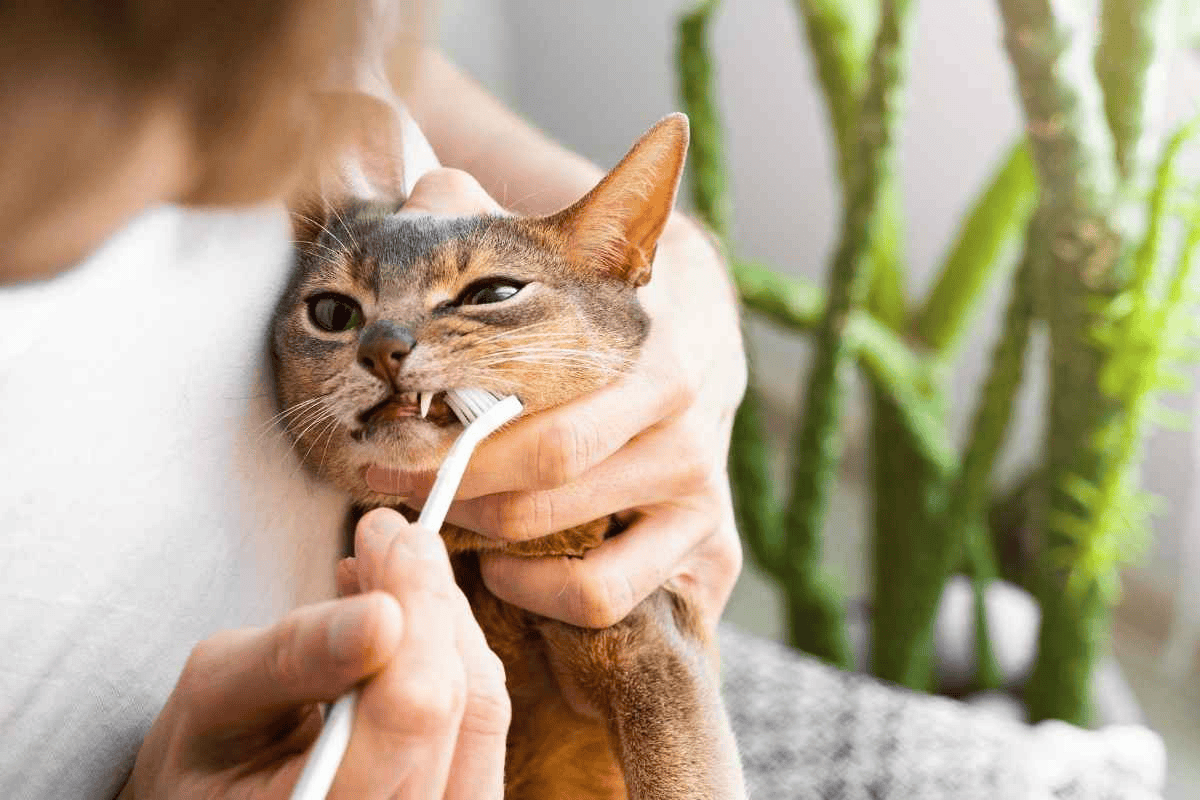
- Daily Brushing: Use pet-safe toothpaste and brushes to reduce plaque buildup.
- Dental Treats and Toys: Chew toys and treats designed to clean teeth can support oral hygiene.
- Monitor for Symptoms: Watch for drooling, pawing at the mouth, or reluctance to eat.
Understanding the Process
Dental X-rays are quick, painless, and safe. Most pets are under light sedation to ensure comfort and precision. The images captured allow veterinarians to spot hidden problems, assess bone health, and plan treatments effectively. The procedure is similar to human dental X-rays but tailored to pets’ unique anatomy.
Takeaway: Protect Your Pet’s Smile
The importance of pet dental X-rays cannot be overstated. They are an essential part of preventive care, helping to detect hidden dental problems, prevent systemic health issues, and guide tailored treatments. By scheduling regular X-rays and maintaining good oral hygiene, you can ensure a longer, healthier life for your furry companion.
At The Pet Doctor in O’Fallon, MO, we’re dedicated to keeping pets healthy and happy, one X-ray at a time. Don’t wait for symptoms—protect your pet’s teeth today!
FAQs:
Q1. Are dental X-rays safe for pets?
Ans. Yes! Modern dental X-rays use very low radiation levels, making them safe for pets. Sedation is often used to keep your pet comfortable.
Q2. How often should my pet get dental X-rays?
Ans. Annual X-rays are recommended, especially for older pets or breeds prone to dental issues. Your vet may suggest more frequent X-rays if problems are detected.
Q3. Can dental X-rays prevent tooth loss?
Ans. Absolutely. By detecting root damage and bone loss early, X-rays can guide treatment to save teeth that might otherwise be lost.
Q4. Do all pets need dental X-rays?
Ans. While all pets benefit from dental exams, X-rays are particularly crucial for older pets, small breeds, or those with a history of dental disease.
Q5. How long does a dental X-ray procedure take?
Ans. The procedure is usually completed within 20–30 minutes, including sedation and image capture.
Q6. Will dental X-rays hurt my pet?
Ans. No, the procedure is painless. Sedation ensures your pet remains relaxed and stress-free during the imaging.