2301 Technology Drive, O’Fallon, MO 63368

When we think about keeping our pets healthy, diet, exercise, and vaccinations often come to mind. But one aspect of wellness is frequently overlooked—dental care for pets. Just like humans, animals can suffer from plaque buildup, gum disease, and tooth pain. Unfortunately, neglecting your pet’s oral health can lead to serious health problems that go far beyond bad breath.
Why Dental Care Matters for Pets
Your pet’s mouth is home to countless bacteria. Without proper care, plaque hardens into tartar, which can irritate gums and cause infections. Over time, these infections can spread through the bloodstream, putting the heart, kidneys, and liver at risk. In short, dental neglect can shorten your pet’s life expectancy.
Regular dental care for pets not only prevents discomfort but also supports long-term overall health.
Common Dental Issues Pets Face
Skipping dental care may expose your pet to:
- Periodontal disease: Gum infection that can lead to tooth loss.
- Tooth fractures: Painful cracks often caused by chewing on hard objects.
- Abscesses: Infections beneath the gumline that may require surgery.
- Oral pain: Pets may stop eating or show irritability due to discomfort.
These problems often develop silently. Many pets show no obvious symptoms until the condition becomes advanced.
Warning Signs You Shouldn’t Ignore
Your pet may need immediate attention if you notice:
- Persistent bad breath
- Red or bleeding gums
- Drooling or pawing at the mouth
- Difficulty chewing or refusal to eat
- Loose or missing teeth
Catching these symptoms early makes treatment much easier and less stressful for your companion.
Beyond the Mouth: Whole-Body Risks
Neglecting dental care for pets doesn’t just harm their teeth. Oral bacteria can travel to vital organs, leading to conditions like:
- Heart disease from bacteria affecting heart valves
- Kidney damage from chronic infections
- Weakened immune response that leaves pets vulnerable to other illnesses
What starts as plaque on teeth can escalate into life-threatening health concerns.
How Professional Dental Care Helps
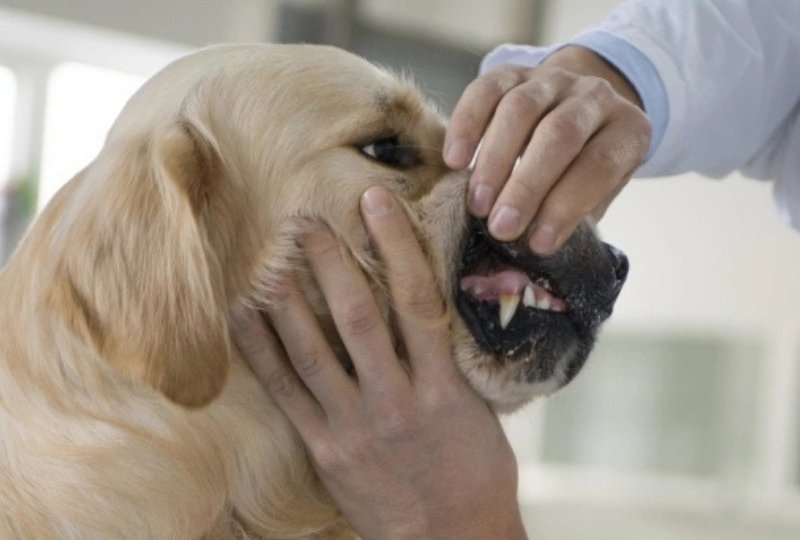
While brushing at home is important, professional veterinary cleanings are essential. Vets use tools to remove tartar above and below the gumline, where toothbrushes can’t reach. These cleanings often include X-rays to spot hidden issues and ensure your pet’s mouth stays healthy.
At-Home Steps to Support Dental Health
Between professional visits, you can protect your pet’s smile with these simple habits:
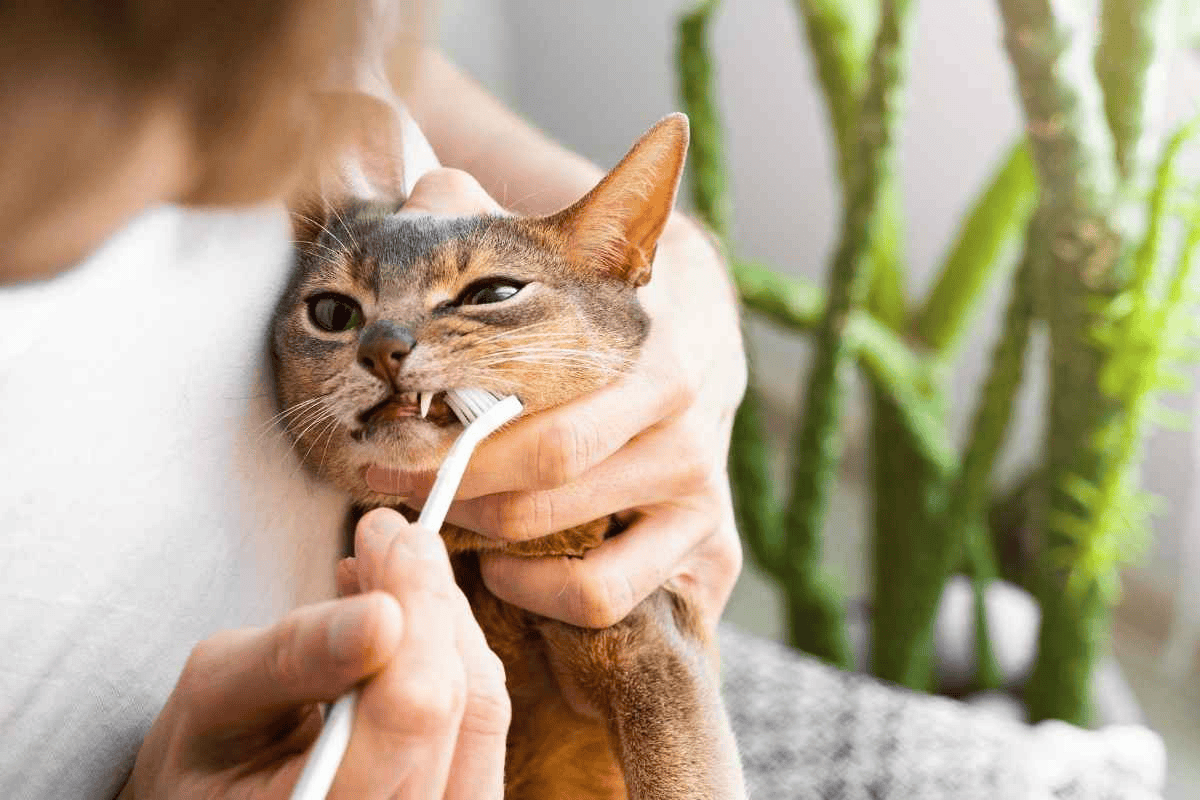
- Brush your pet’s teeth several times a week with pet-safe toothpaste.
- Provide dental chews or toys that reduce plaque buildup.
- Feed a diet that promotes oral health.
- Schedule annual checkups to monitor changes.
These efforts complement professional cleanings and keep your pet more comfortable day-to-day.
The dangers of ignoring dental care for pets extend far beyond smelly breath or yellow teeth. Skipping routine care increases the risk of painful dental disease, infections, and even systemic health problems. With regular brushing, professional cleanings, and consistent monitoring, you can safeguard your pet’s oral health and overall well-being.
As an O’Fallon, MO pet owner, if you’re looking for pet dental care in O’Fallon, it’s important to choose a trusted animal hospital like The Pet Doctor, which provides thorough and safe care. Our clinic offers both routine dental cleanings and advanced treatments, all tailored to meet the unique needs of your pet.
FAQs
Q1. Why is dental care important for pets?
Ans. It prevents gum disease, tooth loss, infections, and protects vital organs from bacteria.
Q2. How often should pets have professional dental cleanings?
Ans. Most pets benefit from yearly cleanings, but some may require more frequent visits.
Q3. Can bad breath in pets mean something serious?
Ans. Yes. Chronic bad breath often signals underlying dental disease or infection.
Q4. What are safe ways to brush a pet’s teeth?
Ans. Use a pet-specific toothbrush and toothpaste—never human toothpaste, as it can be toxic.
Q5. Are dental chews enough for good oral health?
Ans. They help reduce plaque but don’t replace professional care or regular brushing.
Q6. What should I do if my pet refuses to let me brush their teeth?
Ans. Start slowly, offer rewards, and ask your vet about alternative dental products or training tips.