
2301 Technology Drive, O’Fallon, MO 63368

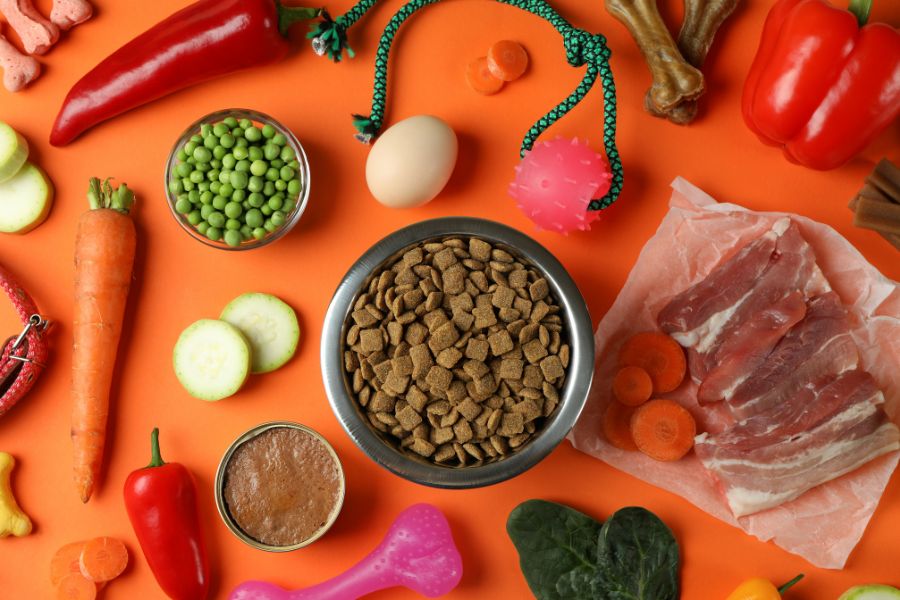
As pet parents, we often pour kibble into a bowl without a second thought. But did you know that a well-balanced diet can boost your pet’s energy, immunity, and even lifespan? Creating a balanced bowl for your pet goes beyond just filling their dish—it’s about truly nourishing them from the inside out.
Whether you have a curious kitten or a senior dog, their diet needs more than just convenience; it needs thoughtful care and smart choices.
Section 1: The Core of the Bowl – Proteins with Purpose
Protein is the star of the show. It fuels muscle growth, repairs tissue, and keeps your pet strong and active. Since dogs and cats are instinctively carnivores, their diets must be built around animal-based proteins.
- For dogs: Look for quality sources like chicken, turkey, beef, or fish.
- For cats: When it comes to feeding your feline friends, make sure to focus on high-protein choices like tuna, salmon, and chicken.
Always check that the protein listed is the first ingredient on any pet food label. Avoid vague terms like “meat meal” or “animal byproducts,” as they don’t guarantee nutritional value.
Section 2: Healthy Carbs – Fuel Without the Crash
Many pet parents are surprised to learn that not all carbohydrates are bad. The right kind of carbs provides energy and supports digestion.
Include complex carbs like:
- Brown rice
- Oatmeal
- Sweet potatoes
- Quinoa
These ingredients offer fiber, which aids in digestion and helps maintain a healthy weight. Avoid foods that rely heavily on corn, wheat, or soy as filler—they often cause allergies and offer little nutritional value.
Section 3: Fat Facts – The Good Kind Matters
Fats are vital for energy, skin health, and vitamin absorption. Omega-3 and Omega-6 fatty acids, in particular, promote a shiny coat and support heart and brain health.
Good fat sources include:
- Fish oil
- Chicken fat
- Flaxseed
However, balance is key. Too much fat can lead to obesity, while too little can cause deficiencies. Stick to well-formulated diets or consult vets in O’Fallon, MO to get personalized recommendations for your pet.
Section 4: Don’t Skip the Greens – Vitamins & Minerals Matter
While protein and fats often take the spotlight, micronutrients are equally important. Vitamins like A, D, and E, and minerals like calcium and zinc, support everything from bone health to vision and immune function.
Incorporate:
- Leafy greens like spinach and kale (finely chopped and lightly cooked)
- Carrots and green beans
- Blueberries or pumpkin as tasty treat toppers
These natural ingredients boost your pet’s health and add variety to their meals.
Section 5: Hydration Nation – Wet Food and Fresh Water
Many pets, especially cats, don’t drink enough water. Including wet food in their diet helps keep them hydrated and supports kidney health. A mix of dry and wet food ensures variety and balanced moisture intake.
Also, make sure your pet always has access to clean, fresh water—and don’t forget to clean their bowls regularly to avoid bacterial buildup.
Section 6: Treats and Extras – Tasty, But in Moderation
Treats are a great way to train and bond with your pet, but they should never make up more than 10% of their daily calorie intake. Choose healthy options like:
- Dehydrated meats
- Dental chews
- Freeze-dried liver
Avoid treats with artificial colors, sugar, or preservatives. If in doubt, check with your vet or nutrition specialist at The Pet Doctor – O’Fallon to find treat options that fit your pet’s lifestyle and dietary needs.
Section 7: Tailoring the Bowl – Every Pet is Unique
No two pets are the same. Age, breed, activity level, and existing health issues all affect dietary requirements. Puppies and kittens, for example, need more calories and calcium, while senior pets may benefit from joint supplements and weight-control formulas.
Always monitor your pet’s weight, coat condition, and energy levels. Sudden changes could signal a dietary imbalance. When in doubt, consult local vets in O’Fallon, MO, who can help tailor a plan specific to your pet.
Feeding your pet a balanced diet doesn’t mean you have to be a gourmet chef. With a little intention and some label reading, you can make every bowl a building block for lifelong health. Small changes in their meals today can lead to big changes in their wellbeing tomorrow.
So next time you fill your pet’s bowl, pause and ask: Is this meal helping them thrive?