
2301 Technology Drive, O’Fallon, MO 63368

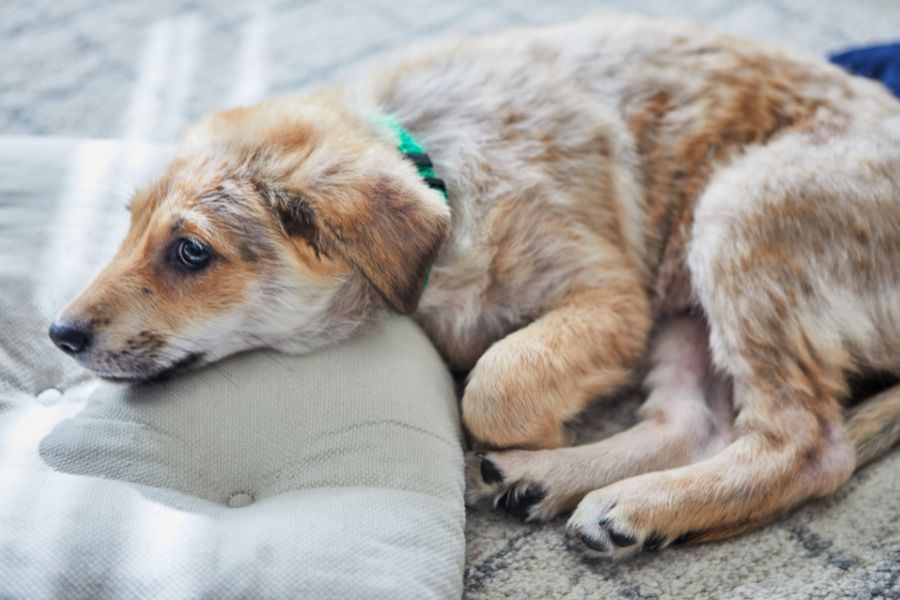
Noticing unusual discharge or swelling in your young dog can be alarming. Many pet owners worry whether it’s something mild like puppy vaginitis or a more serious condition such as vaginal cancer. In this guide, we’ll break down the causes, symptoms, and treatment options to help you understand what’s normal, what’s not, and when to seek veterinary care for your puppy.
What Is Puppy Vaginitis
Puppy vaginitis is a common and usually mild inflammation of the vaginal area in young female dogs, especially those that have not yet gone through their first heat cycle.
This condition is typically non-life-threatening and often resolves on its own as your puppy matures. It may occur due to:
- Immature immune system
- Minor bacterial imbalance
- Irritation from urine or environmental factors
- Poor hygiene or excess moisture
Most cases are seen in puppies between 6 weeks and 8 months old.
Common Symptoms of Puppy Vaginitis
Recognizing the signs early can help you take the right steps. Symptoms are often mild and manageable.
Look for:
- Light white or yellow vaginal discharge
- Frequent licking of the genital area
- Mild redness or swelling
- Slight odor (not strong or foul)
- No significant pain or behavioral changes
Importantly, puppies with vaginitis usually remain active, playful, and eat normally.
What Causes Puppy Vaginitis
While the exact cause isn’t always clear, several contributing factors may include:
- Hormonal immaturity before the first heat cycle
- Mild bacterial infections
- Anatomical differences in the vulva
- Environmental irritants like cleaning products or grass
- Urinary contamination
In most cases, it’s not due to poor care, but maintaining proper hygiene can help prevent irritation.
How Is Puppy Vaginitis Treated
The good news is that puppy vaginitis often resolves without aggressive treatment.
Your veterinarian may recommend:
- Gentle cleaning of the area with pet-safe wipes
- Keeping the area dry and clean
- Monitoring for changes in symptoms
- In some cases, mild antibiotics if infection is present
Many puppies improve naturally after their first heat cycle, when hormones help normalize the vaginal environment.
When Should You Be Concerned
While puppy vaginitis is usually harmless, some symptoms may indicate a more serious issue.
Contact your veterinarian if you notice:
- Thick, green, or foul-smelling discharge
- Signs of pain or discomfort
- Lethargy or loss of appetite
- Frequent urination or straining
- Bleeding unrelated to the heat cycle
These signs could point to urinary tract infections, congenital abnormalities, or other health concerns.
Understanding Vaginal Cancer in Dogs
Although rare, vaginal cancer is a serious condition that typically affects older, unspayed female dogs, not puppies.
Types of tumors may include:
- Benign growths like polyps
- Malignant tumors such as carcinomas or sarcomas
Symptoms of Vaginal Cancer:
- Bloody or persistent discharge
- Visible mass or growth
- Difficulty urinating
- Swelling that does not improve
- Behavioral changes or discomfort
Unlike puppy vaginitis, vaginal cancer progressively worsens and requires immediate veterinary intervention.
Puppy Vaginitis vs Vaginal Cancer: Key Differences
Understanding the differences can help ease your concerns:
| Feature | Puppy Vaginitis | Vaginal Cancer |
| Age Group | Young puppies | Older dogs |
| Severity | Mild, self-limiting | Serious, progressive |
| Discharge | Light, non-foul | Bloody or foul-smelling |
| Behavior | Normal, playful | Lethargic, uncomfortable |
| Treatment | Minimal or none | Surgery, chemotherapy |
In short, it’s extremely unlikely for a puppy to develop vaginal cancer.
How Veterinarians Diagnose the Condition
If symptoms persist or worsen, your vet may perform:
- Physical examination
- Vaginal cytology (cell analysis)
- Urinalysis
- Ultrasound or imaging (if needed)
These tests help rule out infections, structural issues, or rare complications.
Preventing Vaginal Issues in Puppies
While not all cases are preventable, you can reduce risks by:
- Keeping your puppy’s genital area clean and dry
- Avoiding harsh chemicals in living areas
- Scheduling regular vet checkups
- Monitoring for unusual discharge or behavior
Early attention can prevent minor issues from becoming serious.
If your puppy is showing mild symptoms like light discharge or occasional licking, puppy vaginitis is the most likely cause, and it often resolves naturally. However, it’s always wise to stay observant and consult a veterinarian if anything seems unusual or worsens over time.
At The Pet Doctor in O’Fallon, MO, our team is here to help you understand your puppy’s health and provide compassionate, expert care. If you’re unsure about your puppy’s symptoms, don’t wait; schedule a visit today and get the quality dog services and the care they deserve.
FAQs:
Q1: Can puppy vaginitis go away on its own?
Ans: Yes, most cases resolve naturally, especially after the first heat cycle.
Q2: Is discharge normal in a puppy?
Ans: A small amount of light discharge can be normal with vaginitis, but foul-smelling or bloody discharge should be checked by a vet.
Q3: Can spaying prevent puppy vaginitis?
Ans: Spaying may help in some cases, but timing is important. Your vet will guide you based on your puppy’s condition.
Q4: How do I clean my puppy’s vaginal area safely?
Ans: Use vet-approved wipes and keep the area dry. Avoid harsh soaps or chemicals.
Q5: Is vaginal cancer common in puppies?
Ans: No, vaginal cancer is extremely rare in puppies and typically affects older, unspayed dogs.