
2301 Technology Drive, O’Fallon, MO 63368

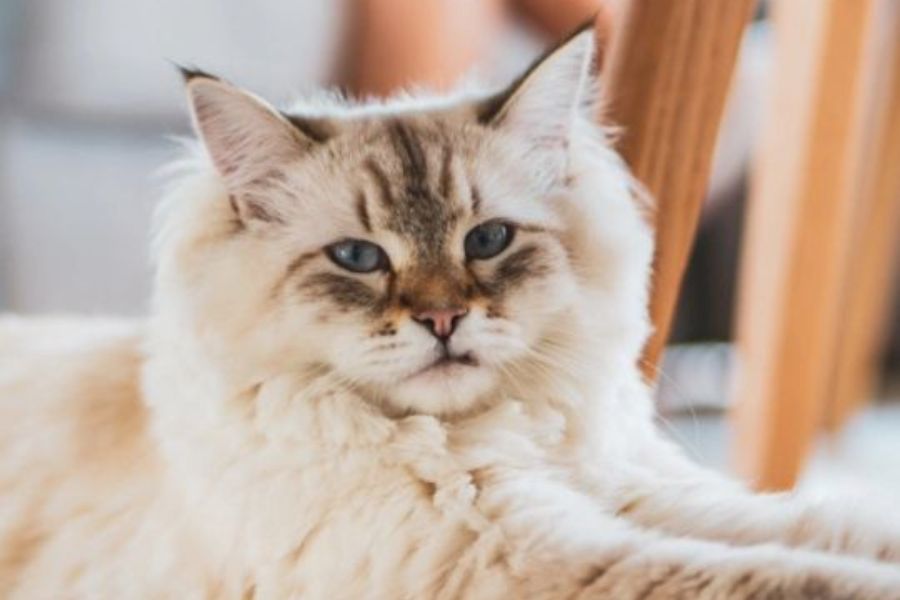
Cats are quiet companions who bring comfort, routine, and companionship into our lives. As they grow older, subtle changes in behavior can be easy to miss. A senior cat who once followed a predictable routine may begin acting confused, vocalizing at night, or withdrawing from interaction. These changes may be signs of senior cat dementia, also known as Feline Cognitive Dysfunction (FCD). For cat owners in O’Fallon, MO, understanding senior cat dementia is an important part of senior pet care. This guide explains what senior cat dementia is, how to recognize it, and how it can be managed with the help of a trusted veterinary team.
What Is Dementia in Senior Cats?
Senior cat dementia is a progressive condition that affects brain function as cats age. It impacts memory, learning, awareness, and behavior. Similar to dementia in humans, changes occur in the brain that interfere with how a cat processes information and responds to its environment.
Feline cognitive dysfunction typically affects cats over the age of 10, with the risk increasing as cats reach their mid-to-late teens. While dementia cannot be cured, early detection and proper management can slow progression and help cats remain comfortable and emotionally connected to their families.
Common Symptoms of Dementia in Senior Cats
Cats are very good at hiding discomfort, which makes cognitive decline harder to recognize. Symptoms often appear gradually and may be mistaken for normal aging.
Signs of Senior Cat Dementia
Disorientation
Your cat may seem lost in familiar rooms, stare at walls, or appear unsure of where they are.
Changes in Sleep Patterns
Senior cats with dementia often sleep more during the day and become restless or vocal at night.
Increased Vocalization
Loud or frequent meowing, especially at night, is a common sign of confusion or anxiety.
Litter Box Issues
A cat may forget where the litter box is or stop using it consistently despite being physically able.
Reduced Interaction
Some cats become withdrawn, avoid attention, or stop responding to their name.
Changes in Activity Level
Pacing, restlessness, or repetitive behaviors may occur.
If you notice these changes lasting more than a few weeks, it’s important to schedule a visit with a vet near me or an animal hospital near me for a full evaluation.
Why Early Recognition Is Important
Senior cat dementia is progressive, meaning symptoms usually worsen over time. Early recognition allows veterinarians to rule out other medical issues that can cause similar signs, such as:
- Arthritis
- Kidney disease
- Hyperthyroidism
- Vision or hearing loss
Identifying dementia early allows your veterinary team to introduce supportive treatments and lifestyle changes that can reduce anxiety, improve sleep, and maintain quality of life.
How Dementia Is Diagnosed in Senior Cats
There is no single test that confirms dementia in cats. Diagnosis is typically made by:
- Reviewing behavioral changes with the owner
- Performing a thorough physical and neurological exam
- Running bloodwork and diagnostic tests to rule out other conditions
Understanding both physical and behavioral health helps us create a personalized care plan for your aging cat.
Treatment Options for Senior Cat Dementia
Although dementia cannot be reversed, treatment focuses on managing symptoms and slowing progression.
Veterinary Treatment May Include
Prescription Medications
Some medications may help improve sleep patterns, reduce anxiety, or support brain function.
Nutritional Support
Special diets rich in antioxidants, omega-3 fatty acids, and brain-supporting nutrients may help protect cognitive health.
Supplements
Your veterinarian may recommend supplements designed to support aging brain function.
All treatments should be guided by a trusted veterinary hospital to ensure safety and effectiveness for your cat.
Managing Dementia in Cats at Home
Home care plays a major role in helping cats with dementia feel safe and secure.
Simple Ways to Support Your Senior Cat
Keep a Consistent Routine
Feed meals, clean litter boxes, and interact with your cat at the same time each day.
Create a Safe Living Space
Keep furniture layout consistent and provide night lights to help your cat navigate in the dark.
Provide Easy Access to Essentials
Place litter boxes, food, and water on every level of your home if needed.
Encourage Gentle Mental Stimulation
Short play sessions, puzzle feeders, and interactive toys can help keep the brain engaged.
Support Restful Sleep
Quiet sleeping areas and calming evening routines can reduce nighttime vocalization.
These adjustments are most effective when paired with regular monitoring by a veterinary team experienced in senior pet care.
Emotional Support for Cat Owners
Caring for a senior cat with dementia can be emotionally challenging. Watching behavioral changes in a beloved companion may feel confusing or heartbreaking. It’s important to remember that these changes are not intentional and are part of a medical condition.
Working with a compassionate animal hospital near you ensures you have guidance, reassurance, and support as your cat’s needs change over time.
Helping Your Senior Cat Live Well
Experienced vet team understands that aging cats require patience, careful observation, and individualized care. We take time to listen to your concerns, explain treatment options clearly, and adjust care plans as needed.
Our senior pet care services focus on:
- Comprehensive senior wellness exams
- Cognitive health evaluation
- Nutrition and lifestyle guidance
- Ongoing monitoring and support
If you are searching for a “vet near me” or a “veterinary hospital near me” in O’Fallon, MO, our team at The Pet Doctor is here to help your cat age comfortably and gracefully.
Senior cat dementia does not mean your cat’s best days are over. With early recognition, supportive care, and guidance from a trusted veterinary team, many cats continue to enjoy comfort, routine, and companionship well into their senior years.
If you’ve noticed changes in your cat’s behavior, schedule an appointment at The Pet Doctor to get early care and compassionate management can make a meaningful difference in your cat’s quality of life.
FAQs
1. At what age do cats develop dementia?
Ans: Most cats show signs after age 10, with risk increasing significantly in cats over 15 years old.
2. Is dementia in cats painful?
Ans: Dementia itself is not painful, but confusion and anxiety can cause distress if not managed properly.
3. Can senior cat dementia be cured?
Ans: There is no cure, but treatment can slow progression and improve comfort and daily function.
4. How can I tell dementia apart from normal aging?
Ans: Occasional slowing is normal, but consistent confusion, vocalization, and behavior changes should be evaluated by a veterinarian.
5. How often should senior cats see a veterinarian?
Ans: Senior cats should visit a veterinary hospital at least twice a year for wellness exams and monitoring.