2301 Technology Drive, O’Fallon, MO 63368

Pets cannot tell us when they feel tired, uncomfortable, or different from usual. Sometimes the first clues are small changes in appetite, thirst, energy, or bathroom habits. A physical examination can reveal a great deal, but it may not show everything happening inside the body. That is where veterinary diagnostic testing becomes useful. Bloodwork and other laboratory tests give veterinarians additional information to help evaluate your pet’s health, investigate symptoms, and plan treatment. At The Pet Doctor in O’Fallon, MO, in-house laboratory testing is part of the diagnostic services available to help assess pets. This guide explains common tests and what their results can tell your veterinarian.
What Is Veterinary Diagnostic Testing, and Why Do Pets Need It
Veterinary diagnostic testing uses laboratory tests and imaging to gather information about a pet’s health. These tests can help identify signs of illness, assess how organs are working, investigate symptoms, and monitor certain conditions over time. They are used alongside a physical examination and medical history, not as a replacement for them.
A pet may need testing when they have symptoms such as:
- Changes in appetite or water intake
- Unexplained weight loss or weight gain
- Vomiting or diarrhea
- Increased thirst or urination
- Low energy or unusual behavior
- Changes in urination or stool
- Signs of pain or discomfort
- A health condition that needs ongoing monitoring
Testing may also be recommended before a procedure that requires anesthesia. Results can help the veterinarian assess whether your pet’s body is functioning well enough for the planned procedure and whether any adjustments may be needed.
Not every pet needs the same tests. The veterinarian chooses them based on your pet’s age, symptoms, medical history, and examination findings.
What Does Bloodwork Tell a Veterinarian
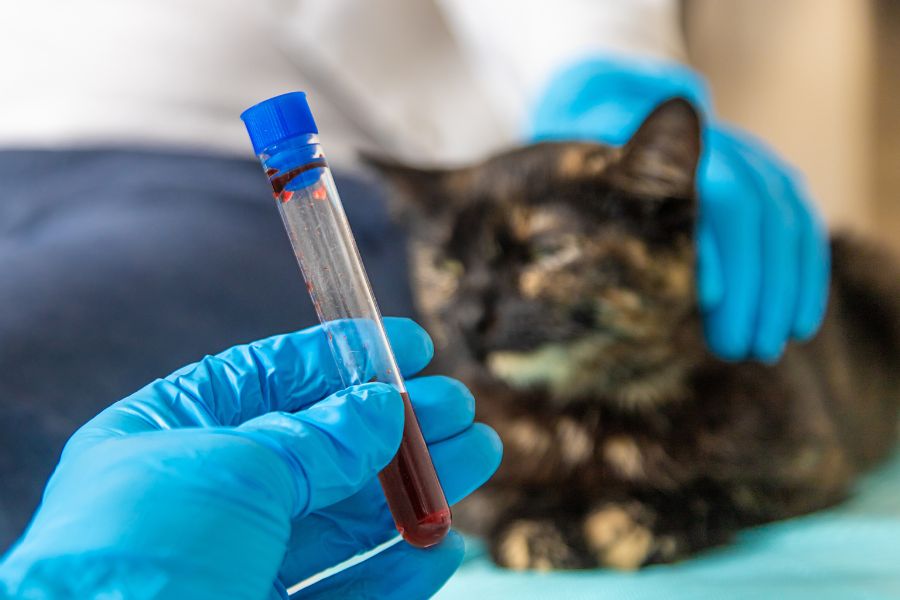
Bloodwork provides information about different parts of the body. Two common blood tests are the complete blood count (CBC) and the blood chemistry panel. They look at different things, so veterinarians may recommend one or both depending on the reason for testing.
Complete blood count (CBC)
A CBC measures different types of blood cells. It can help identify patterns that may suggest:
- Anemia: A lower-than-expected number of red blood cells or related measurements.
- Inflammation or infection: Changes in white blood cells may help the veterinarian investigate these concerns.
- Blood-related problems: Platelet measurements can provide information about cells involved in clotting.
A CBC does not always identify the exact cause of an abnormal result. The veterinarian interprets the findings alongside symptoms and other test results.
Blood chemistry panel
A chemistry panel measures substances in the blood that provide information about organ function and body processes. Depending on the panel, it may include measurements related to:
- Kidney function
- Liver function
- Blood glucose
- Protein levels
- Electrolytes
- Pancreatic health indicators
For example, changes in kidney-related values may lead the veterinarian to recommend a urine test or additional evaluation. A single abnormal result does not automatically confirm a disease. It is one piece of information that helps guide the next step.
Which Other Laboratory Tests May Be Recommended
Bloodwork is only one part of a pet’s diagnostic evaluation. Other tests can help investigate specific symptoms or provide a more complete picture of health.
Common examples include:
Urinalysis
A urinalysis examines a urine sample. It can provide information about urine concentration, cells, crystals, and other findings. It may help investigate frequent urination, discomfort while urinating, or changes in bathroom habits.
Thyroid testing
A thyroid hormone test measures hormone levels that help regulate metabolism. A veterinarian may recommend this test when a pet shows signs that could be related to changes in thyroid function.
Parasite testing
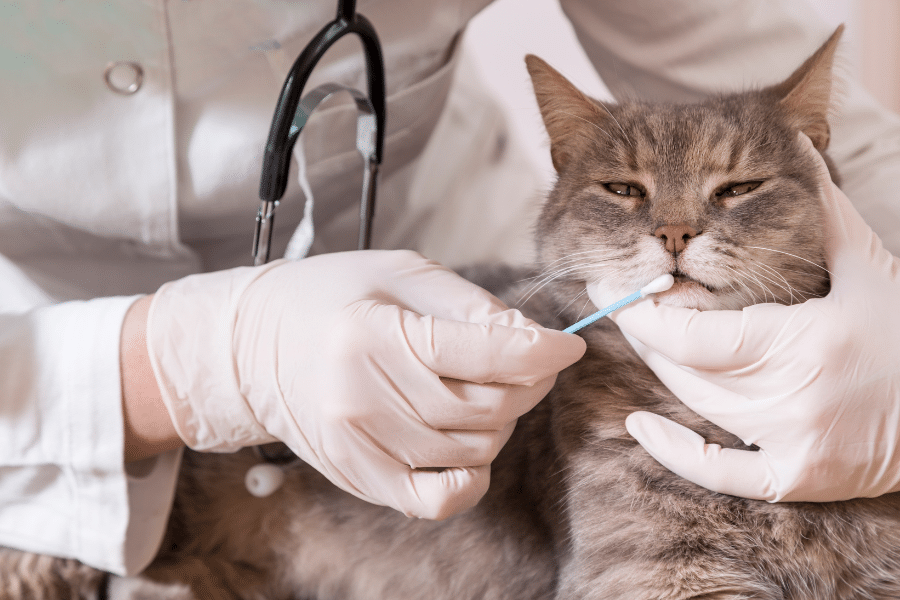
Depending on your pet’s symptoms and history, the veterinarian may recommend testing a stool sample for intestinal parasites. This can be useful when investigating diarrhea, weight changes, or digestive concerns.
Additional laboratory testing
Some tests require samples to be sent to an outside laboratory. The veterinarian may recommend these when a more specific test is needed or when the initial results do not fully explain your pet’s symptoms.
The Pet Doctor describes in-house testing for common blood and urine evaluations, with some less common tests sent to an outside laboratory. This allows the diagnostic approach to be matched to the question the veterinarian needs to answer.
How Do Veterinarians Choose the Right Diagnostic Tests
The best test depends on what the veterinarian is trying to learn. A pet with increased thirst may need a different evaluation from one with a skin problem or sudden limping.
The decision usually considers several factors:
- Symptoms: What changes have you noticed, and when did they begin?
- Physical examination: Are there signs of pain, dehydration, swelling, or other abnormalities?
- Age and medical history: Does your pet have a previous condition that affects the current concern?
- Possible causes: Which conditions could explain the symptoms?
- Test purpose: Will the result help confirm a suspicion, rule out a possibility, or guide treatment?
Sometimes the veterinarian may recommend more than one test because different tests provide different information. For example, bloodwork and urinalysis may be used together when investigating changes in thirst or urination.
A hypothetical example
Imagine a senior dog named Cooper who has started drinking more water and asking to go outside more often. His veterinarian reviews his history, performs a physical examination, and recommends bloodwork and a urinalysis. The combined results help guide further evaluation and a plan for monitoring his health.
This hypothetical example illustrates how two tests can provide complementary information. Neither test should be interpreted alone without considering the pet’s symptoms and examination.
What Are Digital X-Rays Used to Evaluate
Laboratory tests examine blood, urine, or other samples. Imaging tests help veterinarians look at structures inside the body. Digital radiographs, commonly called X-rays, are one imaging tool used in veterinary medicine.
Depending on the area being examined, X-rays may help evaluate:
- Bones and joints
- Certain chest conditions
- The size, shape, and position of some organs
- Possible bladder stones
- Some digestive tract concerns
- Certain swallowed objects or suspected blockages
An X-ray does not show every type of health problem. If the veterinarian needs a closer look at soft tissues or organs, another imaging method may be more useful.
The Pet Doctor lists digital radiography as part of its diagnostic capabilities. Its website also explains that radiographs may be reviewed by a board-certified veterinary radiologist when additional interpretation is helpful.
How Should You Prepare Your Pet for Diagnostic Testing
Preparation depends on the type of test being performed. Some tests require little preparation, while others may have specific instructions about food, water, medication, or sample collection.
Before the appointment:
- Ask whether your pet needs to avoid food for a certain period.
- Check whether regular medication should be given as usual.
- Bring a list of current medicines and supplements.
- Share any recent changes in eating, drinking, or bathroom habits.
- Ask whether you should bring a fresh urine or stool sample.
- Bring previous test results if they are available.
Do not withhold food, water, or medication unless the veterinary team has instructed you to do so. This is especially important for pets with ongoing medical conditions.
If your pet becomes anxious during travel or handling, let the practice know before the appointment. The team may be able to suggest ways to make the visit more comfortable.
How Long Do Veterinary Test Results Take
The timing depends on the test and where it is processed. Some common laboratory tests can be performed in the hospital, while other samples need to be sent to an outside laboratory.
Your veterinarian in O’Fallon can explain when to expect results and whether treatment decisions can be made during the same visit. If a result is abnormal, additional testing may be recommended to understand what it means.
Remember that a test result is not a complete diagnosis by itself. The veterinarian considers the result alongside your pet’s symptoms, examination, and medical history before recommending treatment.
Conclusion
Diagnostic tests help veterinarians look beyond visible symptoms and gather useful information about a pet’s health. Bloodwork can provide clues about blood cells, organ function, and other body processes, while urine testing and imaging can help investigate specific concerns. The right combination depends on your pet’s individual needs, and an abnormal result does not always mean a serious condition is present. Ask your veterinarian what each recommended test is intended to evaluate and how the results may affect the care plan. If your pet needs a health assessment, contact The Pet Doctor in O’Fallon, MO, to discuss the available diagnostic options.
FAQs
Q1. What is veterinary diagnostic testing?
A. Veterinary diagnostic testing includes laboratory tests and imaging used to evaluate a pet’s health. These tests help veterinarians investigate symptoms, assess organ function, identify possible health concerns, and monitor certain conditions.
Q2. Why does my dog or cat need bloodwork?
A. Bloodwork can provide information about blood cells, organ function, glucose levels, proteins, and electrolytes. Your veterinarian may recommend it when your pet has unexplained symptoms or needs a general health assessment.
Q3. What is the difference between a CBC and a blood chemistry test?
A. A complete blood count (CBC) measures red blood cells, white blood cells, and platelets. A blood chemistry panel measures substances that provide information about organ function and other body processes.
Q4. How long does it take to get pet blood test results?
A. Some blood tests can be performed in the veterinary hospital, while others need to be sent to an outside laboratory. The turnaround time depends on the specific test and where it is processed.
Q5. When should I ask my veterinarian about diagnostic testing for my pet?
A. Consider discussing diagnostic testing if your pet has unexplained weight changes, increased thirst, appetite changes, vomiting, diarrhea, or unusual tiredness. The veterinarian can determine which tests are appropriate based on the examination and medical history.