
2301 Technology Drive, O’Fallon, MO 63368

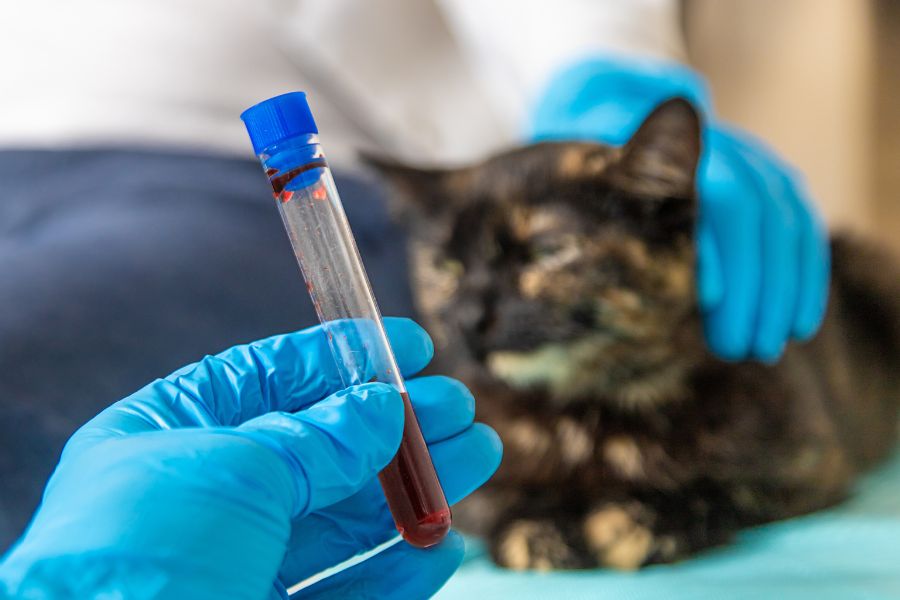
Picture this: your dog has been sleeping more than usual, turning up his nose at his favorite food, and drinking water like he just crossed a desert. Something feels off, but there are no visible cuts, no limping, no obvious injury. This is one of the most frustrating situations a pet owner can face, and it is also one of the most common reasons veterinarians recommend a diagnostic blood panel for pets. At The Pet Doctor in O’Fallon, MO, our team sees cases like this regularly, and a simple blood test often tells us more in 20 minutes than a physical exam can on its own. In this guide, you will learn which signs to watch for, what a blood panel actually checks, and why early testing can make a real difference in your pet’s health.
What Is a Diagnostic Blood Panel for Pets?
A diagnostic blood panel is a lab test that analyzes a small sample of your pet’s blood to evaluate how their internal organs are functioning. It is one of the most powerful tools in veterinary medicine because many serious conditions, including kidney disease, liver problems, diabetes, and thyroid disorders, do not show obvious symptoms until they are well advanced.
Most panels include two core components:
- Complete Blood Count (CBC): Measures red blood cells, white blood cells, and platelets. This reveals signs of infection, anemia, inflammation, and certain cancers.
- Blood Chemistry Panel: Evaluates organ function by checking values like glucose, kidney enzymes (BUN and creatinine), liver enzymes (ALT, ALP), protein levels, and electrolytes.
Together, these tests paint a detailed picture of what is happening inside your pet’s body, well before outward symptoms become severe.
Early Warning Signs Your Pet May Need Blood Work
Pets cannot tell you when something hurts. They rely on instinct to hide discomfort, which is a survival behavior left over from their wild ancestors. By the time some pets show visible signs of illness, the underlying problem has often been brewing for weeks or months. Knowing what to look for early can change the outcome significantly.
Changes in Appetite or Thirst
A sudden drop in appetite or a noticeable increase in water consumption are two of the earliest red flags. Increased thirst is a hallmark sign of diabetes, kidney disease, and Cushing’s disease in both dogs and cats. If your pet is draining their water bowl faster than usual, or if they have gone more than 24 hours without much interest in food, it is worth a call to your veterinarian.
Lethargy and Low Energy
Every pet has an off day, but persistent tiredness that lasts more than two or three days is not normal. If your cat is no longer jumping up to her favorite perch, or your usually-energetic Lab barely makes it to the yard, that low energy could signal anemia, an underlying infection, thyroid issues, or early organ dysfunction. A pet wellness bloodwork panel can identify these problems at a stage when treatment is far more straightforward.
Vomiting or Diarrhea That Keeps Coming Back
Occasional stomach upset happens. Chronic or recurring vomiting and diarrhea, though, often point to something deeper, such as inflammatory bowel disease, pancreatitis, or a problem with the pet’s liver and kidney function. If your pet has had three or more episodes in a week, or if you notice blood in their stool or vomit, do not wait it out.
Unexplained Weight Loss or Gain
Weight changes without a corresponding change in diet or exercise are a signal worth investigating. Rapid weight loss is commonly linked to hyperthyroidism in cats, diabetes, or cancer. Unexplained weight gain, especially around the abdomen, can indicate hypothyroidism in dogs or fluid accumulation related to heart or liver disease. Veterinary diagnostic testing catches these patterns early.
Changes in Urination
Urinating more frequently, straining to go, accidents in the house, or blood in the urine are all reasons to schedule a vet visit promptly. These signs can point to urinary tract infections, kidney disease, bladder stones, or even early diabetes. A blood panel combined with a urinalysis gives your veterinarian a full picture of what is going on.
How Veterinarians Use Blood Work to Diagnose and Treat Illness?
Once blood is drawn, your veterinary care team reviews the results against established reference ranges for your pet’s species, age, breed, and sometimes sex. A single abnormal value rarely tells the whole story. Instead, vets look at patterns across multiple values to narrow down a diagnosis.
For example, elevated BUN and creatinine levels alongside low urine concentration strongly suggest kidney disease. Elevated liver enzymes combined with high cholesterol and glucose can point to Cushing’s disease. A low red blood cell count with small, pale cells often indicates iron-deficiency anemia, which could itself be a sign of internal bleeding or poor nutrition.
Beyond diagnosis, blood panels are essential for:
- Pre-anesthetic screening before surgery to make sure your pet can safely handle sedation
- Monitoring pets on long-term medications that can affect organ function
- Tracking the progression of a known condition like diabetes or chronic kidney disease
- Establishing a healthy baseline during annual pet health screening so future changes are easier to spot
What Pet Owners Can Do at Home?
You are your pet’s first line of defense. The closer you pay attention to their daily habits, the faster you can catch a problem. Here are a few practical steps that make a real difference:
Keep a symptom journal. Note the date, what you observed, and how long it lasted. When you bring this log to your vet appointment, it gives the doctor a clearer timeline to work with.
Weigh your pet monthly. A simple bathroom scale works for most dogs. For cats, weigh yourself first, then weigh yourself holding your cat, and subtract. A 10% change in body weight over a month is worth mentioning to your vet.
Measure water intake. Fill the water bowl to the same level each morning and note how much is gone by evening. Normal daily water intake for dogs is roughly one ounce per pound of body weight. Consistently drinking more than that is a flag.
Do not skip annual wellness exams. Annual pet health screening with routine blood work helps your vet catch changes before they become crises. Think of it the same way you think about your own annual physical.
What Factors Do Pet Owners in O’Fallon Look for in Diagnostic Lab Work?
When your pet is not feeling well, you want answers fast, not a week-long wait for lab results. Our in-house diagnostic lab means we can run most blood panels and get results within the same appointment. That speed matters, especially when a pet is in discomfort or when early treatment is critical.
Our team has experience with everything from routine annual screening to complex multi-system workups in older pets. We take the time to walk you through every value on your pet’s report, explain what it means in plain language, and outline a clear plan for next steps. No confusing jargon, no brushing you off with a “let’s just wait and see.”
We also understand that cost is a real concern. Our team will always review the recommended testing with you upfront and discuss options so you can make informed decisions for your pet and your budget.
When to See a Vet Right Away
Some situations call for same-day attention. Do not wait for a scheduled appointment if your pet is experiencing any of the following:
- Collapse or sudden inability to stand
- Pale, white, blue, or yellow-tinged gums
- Labored or rapid breathing at rest
- Seizures or disorientation
- Blood in urine, stool, or vomit
- Extreme lethargy combined with a refusal to eat for more than 24 hours
For anything less urgent but still concerning, a scheduled appointment within the next few days is a reasonable approach. When in doubt, call your vet’s office and describe what you are seeing. A quick phone triage can help you determine how soon your pet needs to be seen.
Stay Ahead of Your Pet’s Health
The signs your pet needs a diagnostic blood panel are not always dramatic. A little extra thirst here, a few skipped meals there, a slower pace on the morning walk. These quiet changes are your pet’s way of telling you something is not right. The sooner you act on them, the more treatment options you have and the better the likely outcome.
At The Pet Doctor in O’Fallon, MO, we believe that proactive care, including regular pet wellness bloodwork, is the foundation of a long and healthy life for your animal companion. If you have noticed any of the signs described here, or if it has been more than a year since your pet’s last blood panel, we encourage you to reach out and schedule an appointment today with your trusted veterinarian near you. Early answers lead to better outcomes, and your pet deserves nothing less.
Frequently Asked Questions
Q1: What does a diagnostic blood panel for pets test for?
Ans: A pet blood panel typically includes a complete blood count and a chemistry panel. The CBC checks red and white blood cells and platelets, while the chemistry panel evaluates organ function by measuring kidney values, liver enzymes, glucose, protein levels, and electrolytes. Together, they give your veterinarian a broad view of your pet’s internal health.
Q2: What are the signs that my dog or cat needs blood work?
Ans: Common signs include increased thirst, decreased appetite, unexplained weight loss or gain, low energy, frequent vomiting, ongoing diarrhea, and changes in urination. Because pets hide illness instinctively, even subtle behavioral changes are worth taking seriously. When in doubt, a blood panel is a low-stress way to get clarity.
Q3: How does veterinary diagnostic testing work, and how long does it take?
Ans: A small blood sample is drawn, usually from a leg or neck vein, and analyzed in a lab. At clinics with in-house diagnostic equipment, results are often ready within the same appointment. For tests sent to an external lab, results typically come back within 24 to 48 hours. Your vet will walk you through the findings and explain what they mean for your pet.
Q4: How much does a pet blood panel cost, and is it covered by pet insurance?
Ans: The cost of a diagnostic blood panel varies by clinic and by how comprehensive the panel is. Routine wellness panels tend to be more affordable, while specialized or comprehensive profiles cost more. Many pet insurance plans cover diagnostic testing when it is related to a new illness or condition. It is worth checking your policy and asking your vet clinic about their specific pricing before your appointment.
Q5: When should I take my pet to the vet for blood work versus waiting to see if things improve?
Ans: If your pet’s symptoms have lasted more than two or three days, are worsening, or involve any of the urgent signs listed above (pale gums, collapse, breathing difficulty, or blood in waste), do not wait. For milder or intermittent concerns, calling your vet for a phone triage is a good first step. When it comes to your pet’s health, early action almost always leads to better outcomes than a wait-and-see approach.