2301 Technology Drive, O’Fallon, MO 63368

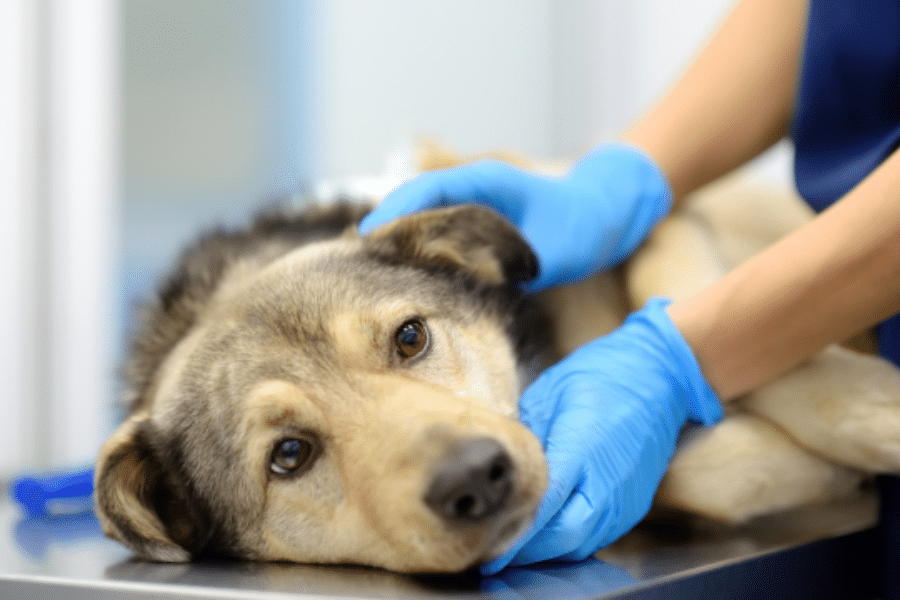
Watching your dog scratch, lick, or chew at their skin all day can be frustrating for both of you. You may notice your dog waking up at night to scratch, rubbing against furniture, or licking their paws until they become red. Occasional scratching is normal, but frequent itching can point to an underlying problem that needs attention. At The Pet Doctor in O’Fallon, MO, understanding what may be causing your dog’s discomfort is an important first step toward helping them feel better. This guide explains common reasons for persistent itching, signs to watch for, treatment options, and simple steps you can take at home.
Why Is My Dog Constantly Scratching?
A dog that keeps scratching may have fleas, allergies, a skin infection, mites, or irritation from something in their environment. Dry skin and ear problems can also cause discomfort. The right solution depends on what is triggering the itch, so persistent scratching should not be treated as a single condition.
Some dogs scratch mainly around their ears, paws, belly, or face. Others lick their legs or rub their bodies against carpets and furniture. Where the itching occurs, when it started, and whether your dog has other symptoms can help your veterinarian narrow down the possible causes.
Pay attention to these details:
- Location: Is your dog scratching the ears, feet, belly, tail base, or entire body?
- Timing: Does the itching happen after walks, during certain seasons, or throughout the year?
- Skin changes: Look for redness, scabs, hair loss, bumps, or an unpleasant smell.
- Other symptoms: Watch for head shaking, frequent licking, changes in sleep, or reduced interest in normal activities.
Avoid assuming that your dog has fleas or allergies just because they are itchy. Several conditions can look alike, and using the wrong product may delay proper treatment. If the scratching continues, a veterinary examination can help identify the cause and guide the next steps.
What Causes Itchy Skin in Dogs?
There are several possible causes of itchy skin in dogs. Some are related to parasites, while others involve allergies, infections, or skin irritation. Identifying the trigger is important because each problem may require a different approach.
Fleas and other parasites
Fleas are a common cause of itching. Even if you do not see adult fleas, your dog may still have them. Some dogs are very sensitive to flea saliva, so even a small number of bites can cause intense itching, especially around the lower back, tail base, and hind legs.
Mites can also cause skin problems. Depending on the type, they may lead to severe itching, scaly patches, hair loss, or crusted skin. Your veterinarian can recommend suitable testing and parasite control based on your dog’s symptoms and exposure.
Allergies
Skin allergies in dogs can develop when the immune system reacts to substances in the environment, such as pollen, dust mites, or mold. Some dogs react to ingredients in their food, too. Allergies may cause recurring itching around the paws, ears, face, belly, and armpits.
Dogs with allergies may lick their feet, rub their faces, or develop repeated ear problems. Symptoms can appear seasonally or continue throughout the year. Food-related allergies may require a carefully planned diet trial under veterinary guidance rather than frequent food changes.
Skin infections
Bacteria and yeast normally live on the skin in small amounts, but they can cause problems when the skin becomes irritated or its natural balance changes. An infection may develop after repeated scratching damages the skin barrier.
Possible signs include redness, greasy skin, a strong odor, pimples, scabs, or darkened patches. Infections can make itching much worse, creating a cycle in which the dog scratches more and the skin becomes increasingly inflamed.
Dry skin and environmental irritation
Dry air, frequent bathing, harsh shampoos, cleaning products, and contact with certain plants can irritate your dog’s skin. These issues may cause flaking, redness, or discomfort without an underlying allergy.
If your dog starts scratching after a bath, a walk through tall grass, or contact with a recently cleaned surface, note the timing. This information may help your veterinarian determine whether an irritant is involved.
What Signs Should You Watch For Besides Scratching?
Itching is often the most obvious sign of a skin problem, but other changes can offer important clues. Your dog may not be able to show you exactly where the discomfort begins, so look for changes in their skin, behavior, and daily routine.
Watch for:
- Red or inflamed skin
- Hair loss or thinning patches
- Scabs, sores, or small bumps
- Repeated paw licking or chewing
- Head shaking or frequent ear scratching
- Unusual skin odor or greasy fur
- Flaky skin or excessive dandruff
- Restlessness or interrupted sleep
Constant licking can be just as important as scratching. Dogs may repeatedly lick their paws or legs when their skin feels irritated. Over time, the moisture and friction can damage the skin and contribute to infection.
Check the affected areas gently, but avoid pulling at scabs or applying creams intended for people. If your dog has open sores, bleeding, significant swelling, or a painful ear, contact a veterinarian promptly. Facial swelling, trouble breathing, or sudden severe symptoms require immediate veterinary attention.
How Do Vets Diagnose and Treat Constant Scratching?
A veterinarian begins by asking about your dog’s symptoms, diet, environment, parasite prevention, bathing routine, and previous skin problems. The examination helps identify affected areas and determine which tests may be useful. Depending on the findings, the vet may check skin samples under a microscope, look for parasites, examine the ears, or recommend other testing.
Treatment depends on the underlying cause. It may involve parasite control, medication for inflammation or infection, medicated bathing products, or a plan to manage allergies. Dogs with suspected food allergies may need a controlled diet trial with veterinary guidance. Follow-up visits can help determine whether the treatment is working or needs adjustment.
Hypothetical case example: A dog named Bailey begins licking both front paws and scratching his ears every evening. His owner first suspects dry skin, but the veterinarian notices redness between the toes and irritation inside the ears. Testing identifies a yeast infection, and the veterinarian recommends targeted treatment along with a plan to investigate possible underlying allergies if the symptoms return.
Bailey’s example shows why treating the itch alone may not solve the problem. If an infection develops because of an ongoing allergy, both the infection and the underlying trigger may need attention.
What Can You Do at Home to Help an Itchy Dog?
Home care can support your dog’s comfort, but it should not replace veterinary treatment when itching is persistent or severe. Simple changes may help reduce irritation while you work to identify the cause.
Try these steps:
- Check the skin gently. Look for redness, hair loss, scabs, fleas, or areas your dog keeps licking.
- Keep a symptom diary. Record when the itching occurs, which areas are affected, and any changes in food, treats, bedding, or outdoor activities.
- Rinse off possible irritants. If your dog has been outdoors and their paws seem irritated, gently rinse them with plain lukewarm water and dry them well.
- Use gentle grooming products. Choose products recommended for dogs, and ask your veterinarian how often bathing is appropriate.
- Wash bedding regularly. Use a mild, fragrance-free detergent and rinse thoroughly.
- Prevent further skin damage. If your dog is injuring the skin through constant chewing, ask your vet whether a protective collar or another temporary measure is suitable.
Do not give human allergy medication, apply essential oils, or use leftover prescription products without veterinary guidance. Some products that seem harmless can be unsafe for dogs or may make an existing skin problem worse.
When Should You Take Your Dog to the Vet for Itching?
Arrange a veterinary appointment with a vet in O’Fallon if your dog scratches frequently, the itching lasts more than a short period, or the problem keeps returning. It is also worth seeking advice if your dog develops hair loss, an unpleasant skin odor, recurring ear problems, or red patches that do not improve.
Seek prompt veterinary care if you notice:
- Open sores, bleeding, or rapidly worsening skin changes
- Significant swelling or painful areas
- A strong odor with discharge from the skin or ears
- Persistent head shaking or signs of ear pain
- Severe itching that prevents normal rest
Facial swelling, difficulty breathing, collapse, or a sudden severe reaction needs immediate veterinary attention.
Early assessment can help prevent a minor irritation from becoming a painful skin problem. If your dog has been scratching for weeks, do not assume they simply have sensitive skin. Finding the underlying cause gives your pet a better chance of lasting relief.
Helping Your Dog Feel Comfortable Again
Frequent scratching is a sign that something may be irritating your dog’s skin, ears, or paws. Fleas, allergies, parasites, infections, and environmental irritants are among the common causes, but the right treatment depends on an accurate diagnosis. Watching for other symptoms and keeping track of when the itching occurs can help your veterinarian find useful clues.
If your dog’s discomfort continues, The Pet Doctor in O’Fallon, MO, can help assess the symptoms and discuss suitable care options. Avoid experimenting with human medications or multiple skin products before the cause is known. With the right plan and follow-up, many itchy dogs can become more comfortable and return to their usual routines.
Frequently Asked Questions
Q1: Why is my dog constantly scratching but has no fleas?
A: Dogs can itch because of allergies, mites, skin infections, dry skin, or contact with an irritant, even when fleas are not visible. A veterinary examination can help identify the cause and determine the right treatment.
Q2: Can food allergies make my dog scratch all the time?
A: Yes. Some dogs develop itching related to an ingredient in their food, often affecting the paws, ears, face, or belly. A veterinarian may recommend a controlled diet trial to investigate whether food is contributing to the symptoms.
Q3: What can I put on my dog’s itchy skin at home?
A: Gentle rinsing with lukewarm water may help remove some environmental irritants, but the best approach depends on the cause. Avoid human creams, essential oils, and medications unless your veterinarian confirms they are safe and appropriate.
Q4: How long does it take for a dog’s itching to go away?
A: It depends on the cause and the treatment. Some irritations improve quickly, while allergies and recurring skin conditions may require ongoing management and follow-up visits.
Q5: When should I take my itchy dog to The Pet Doctor?
A: Contact The Pet Doctor if the scratching continues, returns frequently, causes hair loss, or leads to sores or ear problems. Seek immediate care for severe symptoms such as difficulty breathing, collapse, or sudden facial swelling.