2301 Technology Drive, O’Fallon, MO 63368

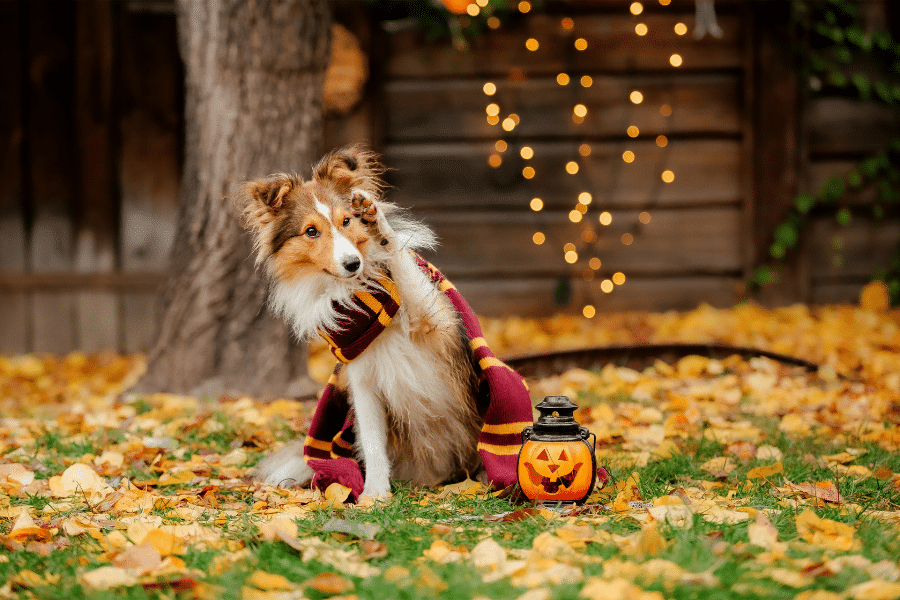
Halloween decorations can make a home feel festive, from fake cobwebs and plastic spiders to glowing pumpkins and spooky sound effects. However, curious dogs and cats may see these decorations as toys, snacks, or interesting objects to investigate. A cat might bat at a dangling strand of webbing, while a dog may chew a battery-powered decoration left on the floor. Some items can cause choking, digestive blockages, burns, or poisoning if pets bite or swallow them. Before decorating your home, take a few minutes to look at the space from your pet’s point of view. Understanding common hazards and knowing what to do if your pet gets into something unsafe can help keep Halloween fun and safer for the whole family.
Which Halloween Decorations Are Dangerous for Pets?
Several common Halloween decorations can create risks for dogs and cats, especially when they are left within reach. The danger depends on the material, the size of the item, and whether your pet chews, swallows, or becomes tangled in it.
Watch out for these common hazards:
- Fake cobwebs and stringy decorations: Loose strands can become tangled around a pet’s legs or body. If swallowed, string-like material can cause serious digestive problems.
- Plastic spiders and small ornaments: These may be chewed or swallowed, creating choking or blockage risks.
- Batteries: Button batteries and other battery types can cause serious injury if chewed or swallowed.
- Glow sticks and light-up accessories: Chewing them may expose pets to irritating chemicals or sharp plastic pieces.
- Candles and open flames: Curious pets may knock them over, burn themselves, or start a fire.
- Electrical cords: Pets that chew cords may suffer burns or electric shock.
- Artificial pumpkins and decorative gourds: Small pieces can become choking hazards, and some materials may cause stomach upset if swallowed.
- Scented decorations and sprays: Strong fragrances may irritate sensitive pets, while certain products can be harmful if licked or ingested.
A decoration does not need to contain a toxin to be dangerous. Even a non-toxic plastic object can cause harm if it becomes stuck in the throat or digestive tract.
Before setting up a display, check whether your pet can reach it by jumping, climbing, pulling, or knocking it over. Cats can reach high shelves and narrow spaces, while dogs may investigate objects at floor level or on low tables. Keeping decorations out of reach is safer than relying on pets to ignore them.
Why Are Fake Cobwebs and String Decorations Risky?
Fake cobwebs, ribbons, hanging strings, and stretchy decorative materials can be especially tempting to cats. Their movement may trigger a cat’s natural interest in batting, chasing, and biting. Dogs may also chew loose strands or swallow pieces while playing.
The concern is not limited to getting tangled. If string-like material is swallowed, it may become caught inside the digestive tract. The intestines can bunch around the material, potentially causing serious damage. This is one reason swallowed string should never be treated as harmless.
Signs of a possible problem may include:
- Vomiting or repeated gagging.
- Loss of appetite.
- Unusual tiredness or hiding.
- Abdominal discomfort or a hunched posture.
- Straining to pass stool.
- Pawing at the mouth or difficulty swallowing.
If you see your pet chewing fake cobwebs, calmly move them away and remove the material if it is safe to do so. If you think your pet swallowed some, contact a veterinarian for advice, even if your pet initially seems fine.
Never pull a string that is hanging from your pet’s mouth or rear end. Pulling it may injure the digestive tract if the material is caught internally. A veterinarian can determine whether an examination or further treatment is needed.
For a safer Halloween display, place stringy decorations where pets cannot reach them, and avoid loose, stretchy materials in rooms where cats and dogs spend time unsupervised.
How Can Batteries and Light-Up Decorations Harm Pets?
Battery-powered decorations can be convenient for Halloween, but they require careful storage and supervision. Dogs may chew a remote control or light-up toy, while cats may bat at a loose battery that has fallen from a decoration.
Batteries can be particularly dangerous if swallowed or damaged. Button batteries can cause serious tissue injury, while other batteries may leak harmful material or create a blockage. Chewing electrical components can also injure a pet’s mouth.
Take these precautions:
- Keep spare batteries in a closed container in a secure cupboard.
- Check battery compartments to make sure they close firmly.
- Do not leave damaged decorations, loose batteries, or remote controls where pets can reach them.
- Replace broken light-up items rather than allowing pets to play with them.
- Keep charging cords and electrical wires out of reach.
- Turn off decorations when you cannot supervise your pet.
If you suspect your pet has swallowed or chewed a battery, seek urgent veterinary guidance immediately. Do not wait for symptoms, and do not induce vomiting unless a veterinary professional specifically directs you to do so. If possible, identify the battery type and bring the product packaging or a photo of the decoration.
Electrical decorations also deserve attention. A pet that bites a plugged-in cord may suffer burns or an electric shock. If your pet chews a live electrical cord, avoid touching the animal or cord while the power is on. Disconnect the electricity safely if possible, then seek immediate veterinary help.
Can Halloween Candles and Fog Machines Hurt Pets?
Some Halloween decorations rely on flames, smoke effects, scented products, or powered equipment. These can create problems when pets are curious, sensitive to strong smells, or able to knock items over.
Open flames from candles or carved pumpkins can burn a pet’s nose, paws, or fur. A wagging tail or an exploring cat can also knock over a candle, creating a fire risk. Battery-operated lights are generally a safer option than open flames when used according to the manufacturer’s instructions and kept away from chewing pets.
Fog machines and scented decorations may irritate some animals, especially when used in small or poorly ventilated spaces. If your pet begins coughing, sneezing, drooling, or showing breathing changes around a product, move them away from the area and contact a veterinarian if symptoms persist or appear severe.
To reduce risks:
- Keep candles and flames out of areas pets can access.
- Secure cords and place powered decorations where pets cannot chew them.
- Use scented products sparingly and follow label directions.
- Provide a well-ventilated, quiet area away from noisy or smoky displays.
- Stop using a decoration if it causes your pet to cough, sneeze, or act distressed.
Remember that pets do not understand that decorations are temporary or that a glowing object is not a toy. Simple barriers and thoughtful placement can help prevent curious investigations from becoming harmful incidents.
What Should You Do If Your Pet Chews or Swallows a Halloween Decoration?
The right response depends on what your pet got into and whether symptoms have appeared. Some incidents cause only mild irritation, while others can become serious before obvious signs develop. If your pet swallows a battery, string, sharp object, or potentially toxic material, contact a veterinarian promptly.
Take these steps:
- Remove access to the decoration. Keep other pets away and safely collect any remaining pieces.
- Identify the item. Check the packaging or take a photo so you can describe the material, size, and possible ingredients.
- Note what happened. Record when your pet chewed or swallowed the item and whether any pieces are missing.
- Call your veterinarian. Explain what your pet may have swallowed and follow the advice provided.
- Watch for changes. Vomiting, abdominal pain, loss of appetite, unusual tiredness, or difficulty passing stool may signal a problem.
Do not automatically wait for symptoms. Batteries, string, sharp items, and certain chemicals may cause harm even when a pet initially seems normal. Never induce vomiting or give home remedies unless a veterinary professional specifically instructs you to do so.
Seek urgent veterinary care if your pet has difficulty breathing, collapses, has repeated vomiting, shows severe pain, or becomes very weak. If an item is lodged in the mouth or throat, avoid pushing it farther inside while trying to remove it.
Quick action and accurate information can help your veterinarian assess the risk and determine the safest next step.
How Can You Make Your Home Safer for Pets During Halloween?
You do not have to give up Halloween decorations to protect your pets. A few changes in where and how you display them can reduce the chance of chewing, swallowing, or accidental injury.
Try these pet-friendly decorating habits:
- Place fragile, small, or stringy decorations in rooms your pet cannot enter.
- Use sturdy displays that cannot easily tip over.
- Keep batteries, wires, and electrical components secured.
- Choose flameless lighting when possible.
- Avoid leaving loose fake cobwebs, ribbons, or small plastic pieces on the floor.
- Check decorations regularly for damage or missing parts.
- Keep your pet supervised around new displays.
- Provide a quiet room where your pet can rest away from visitors and activity.
It is also worth checking your home’s other Halloween hazards. Candy, chocolate, wrappers, and party food may be left on tables or near the front door when guests arrive. Store treats in closed cupboards or containers, and remind children not to share candy with pets.
When Should You Contact a Veterinarian?
Contact a veterinarian if you suspect your pet swallowed part of a decoration, chewed a battery, or came into contact with a potentially harmful substance. Do not wait for symptoms when the item itself may pose a serious risk.
Seek urgent veterinary care if your pet:
- Has trouble breathing or appears to be choking.
- Collapses or becomes difficult to wake.
- Repeatedly vomits or shows severe abdominal pain.
- May have swallowed a battery or sharp object.
- Has signs of an electrical injury or burn.
- Develops marked weakness after exposure to a chemical or unknown product.
If you are unsure what your pet swallowed, describe the item and the timing of the incident to the veterinary team. Bring the packaging or a photo when possible. Do not try to treat suspected poisoning at home or induce vomiting without professional instructions.
Even if your pet appears normal, a prompt call can help you understand whether observation or an examination is appropriate. Early advice can be especially important when a swallowed object may cause an internal blockage or injury.
Enjoy Halloween While Keeping Your Pet Safe
Halloween decorations can make your home festive, but fake cobwebs, batteries, electrical cords, candles, and small ornaments can pose real risks to curious pets. Keep hazardous items out of reach, supervise your dog or cat around new decorations, and choose safer alternatives when possible. If your pet chews or swallows a potentially harmful item, contact an O’Fallon veterinarian rather than waiting for symptoms to appear.
The Pet Doctor in O’Fallon, MO, encourages pet owners to make safety part of their holiday preparations. If you are concerned about a possible ingestion, injury, or sudden change in your pet’s behavior, contact the clinic for guidance. A little preparation can help your family enjoy Halloween while reducing preventable risks for your four-legged companions.
Frequently Asked Questions
Q1: Are fake cobwebs dangerous for dogs and cats?
A: Yes. Pets may become tangled in fake cobwebs or swallow strands while chewing or playing. Swallowed string-like material can cause serious digestive problems, so contact a veterinarian if you suspect your pet has eaten some.
Q2: What happens if my dog or cat swallows a battery?
A: Swallowed batteries can cause serious internal injury or blockage, and button batteries may damage tissue quickly. Seek urgent veterinary guidance immediately, even if your pet appears normal. Do not induce vomiting unless a veterinary professional specifically tells you to do so.
Q3: Are Halloween candles safe to use around pets?
A: Open flames can burn pets or be knocked over by a curious animal. Keep candles completely out of reach and consider flameless lighting as an alternative. Supervise pets around all powered decorations and cords.
Q4: How can I keep Halloween decorations away from my pet?
A: Place small ornaments, fake cobwebs, batteries, cords, and other risky items where pets cannot reach them. Secure decorations so they cannot tip over, inspect them for loose parts, and provide a quiet space away from the display.
Q5: When should I contact The Pet Doctor about a Halloween decoration hazard?
A: Contact The Pet Doctor if your pet may have swallowed a battery, string, sharp object, or potentially harmful material. Seek urgent veterinary care for breathing problems, collapse, repeated vomiting, severe pain, or significant weakness.