2301 Technology Drive, O’Fallon, MO 63368

Hearing that your dog or cat needs surgery can be overwhelming. For many pet owners, concerns about safety, pain, recovery, and emotional stress arise immediately. Pets are family, and in close-knit communities like O’Fallon, MO, their well-being matters deeply. While surgery itself is an important step in treating illness or injury, true healing goes far beyond the procedure. Proper care before and after surgery plays a critical role in reducing stress, improving recovery, and helping pets return to their normal routines as comfortably as possible. This guide explains how thoughtful preparation, compassionate recovery support, and ongoing veterinary guidance can make surgery a smoother, safer experience for pets and their families.
Why Pre- and Post-Surgical Care Matters
Surgery places temporary stress on a pet’s body and mind. Even routine procedures can cause anxiety, discomfort, and confusion if not managed carefully. Supporting your pet before and after surgery helps:
- Reduce fear and stress
- Lower the risk of complications
- Promote faster healing
- Improve comfort and mobility
- Protect long-term health
Modern veterinary medicine recognizes that emotional well-being and physical healing go hand in hand. That’s why trusted animal hospitals focus on comprehensive surgical support, not just the procedure itself.
Preparing Your Pet Before Surgery
Good outcomes start with good preparation. Before surgery, your veterinary team works to ensure your pet is healthy enough for anesthesia and the procedure.
What Happens Before Surgery
Comprehensive Exams
Your veterinarian will perform a full physical exam to assess overall health.
Diagnostic Testing
Bloodwork and other tests help identify underlying conditions that may affect anesthesia or healing, especially important for senior pet care.
Customized Surgical Planning
Age, breed, size, and medical history are all considered to create a personalized care plan.
At home, pet owners also play an important role in preparation.
How You Can Help at Home
- Follow fasting instructions carefully
- Keep routines calm and familiar
- Avoid extra excitement or stress
- Bring a favorite blanket or toy on surgery day if recommended
Choosing a trusted veterinary hospital near you ensures your pet is prepared with safety and comfort in mind.
Reducing Stress on the Day of Surgery
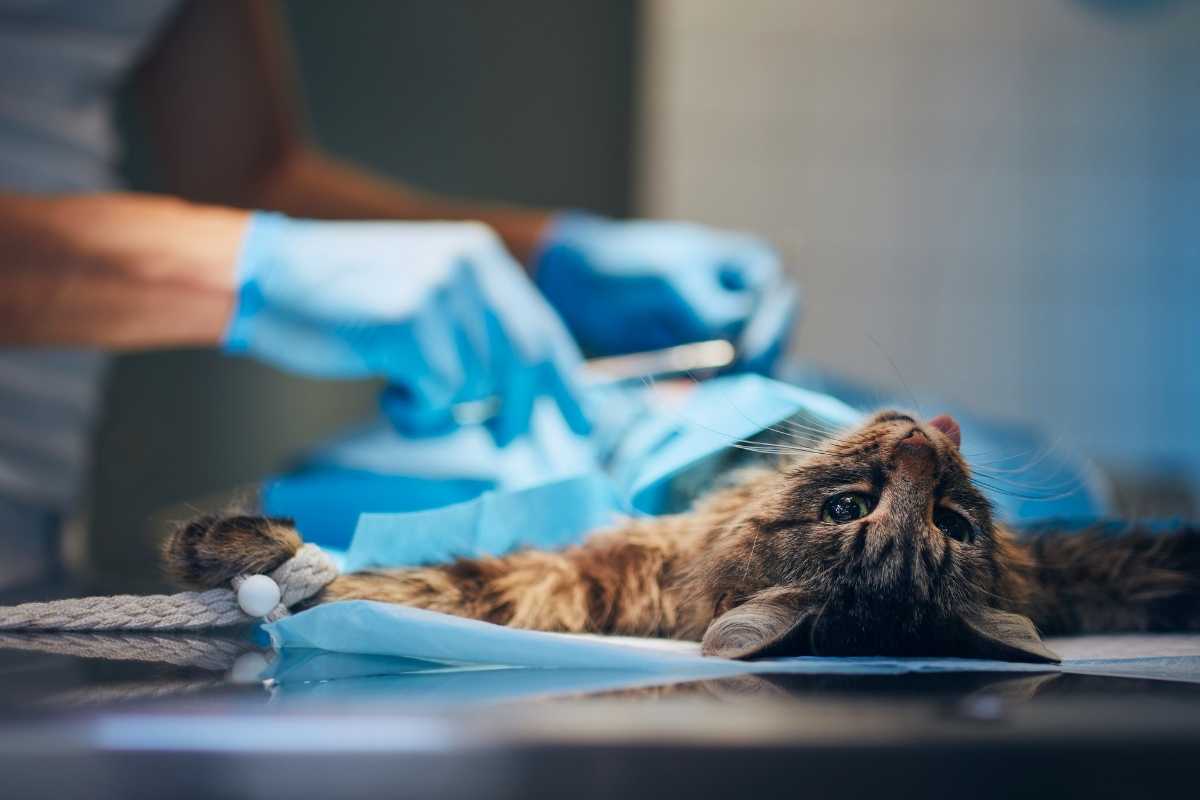
Pets are very sensitive to changes in routine and emotions. On surgery day, minimizing stress helps keep them calm and relaxed. Veterinary teams use gentle handling, quiet environments, and calming techniques to reduce anxiety. Clear communication with pet owners also helps; knowing what to expect can ease your stress, which your pet can sense.
Pain Management During and After Surgery
One of the biggest concerns pet owners have is pain. Fortunately, advances in veterinary medicine have greatly improved pain control.
Modern Pain Management Includes:
- Tailored anesthesia protocols
- Pain medications before, during, and after surgery
- Close monitoring of vital signs
- Adjustments based on individual response
Effective pain management allows pets to rest comfortably, move more easily, and heal faster.
Supporting Your Pet After Surgery at Home
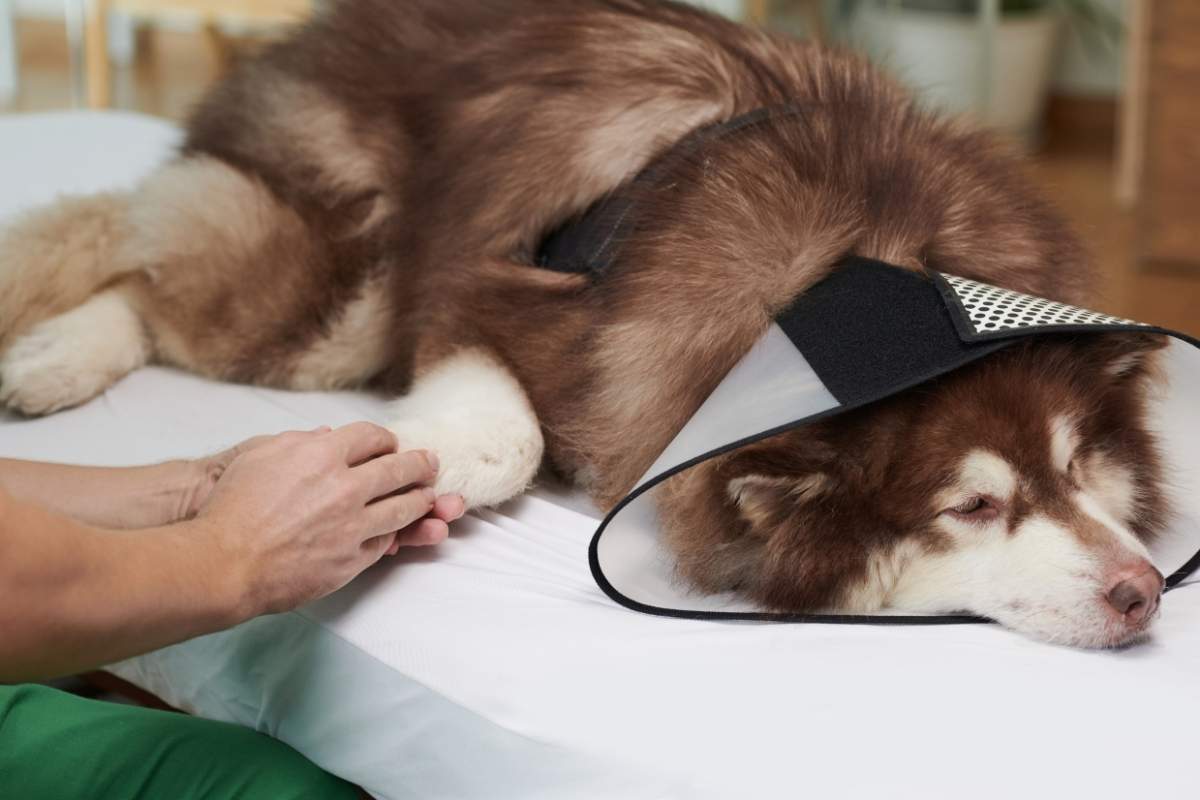
Once your pet returns home, recovery continues. The days following surgery are critical for healing and comfort.
Create a Calm Recovery Space
Choose a quiet, comfortable area away from noise and activity. Soft bedding, dim lighting, and limited stimulation help pets rest.
Follow Instructions Closely
Your veterinary team will provide detailed instructions for:
- Feeding
- Activity restrictions
- Medications
- Incision care
Following these guidelines helps prevent complications and setbacks.
Limit Activity
Even energetic pets need rest. Short leash walks, crate rest, or restricted movement may be necessary depending on the procedure.
Monitor for Changes
Contact your animal hospital near you if you notice:
- Swelling or redness at the incision
- Loss of appetite
- Lethargy or unusual behavior
- Signs of pain or discomfort
Prompt communication helps address issues early.
Recovery Considerations for Senior Pets
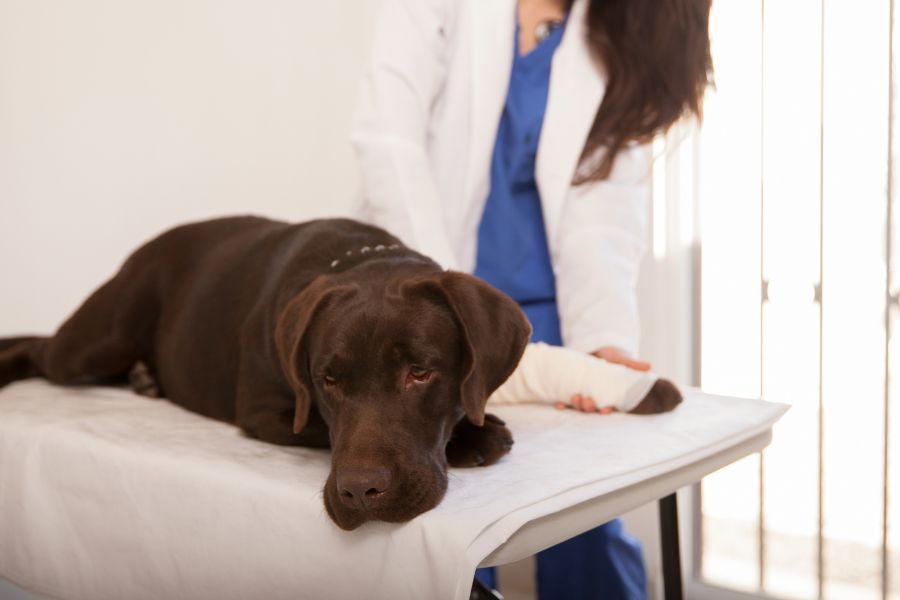
Senior pets often need extra care after surgery. Healing may take longer, and conditions like arthritis or chronic illness can affect recovery.
Veterinary teams take these factors into account when planning pet surgery and recovery. Adjustments may include:
- Extended pain management
- Modified activity plans
- Additional follow-up visits
With proper support, many senior pets recover well and enjoy improved comfort and quality of life after surgery.
Emotional Support for Pet Owners
Surgery can be emotionally stressful for pet parents. Worrying about recovery, pain, or outcomes is completely normal.
Working with a trusted veterinary hospital provides reassurance and guidance. Open communication, follow-up calls, and clear explanations help pet owners feel confident and supported throughout the process.
Healing Happens One Step at a Time
As a locally trusted veterinary practice, The Pet Doctor understands the needs of pets and families in O’Fallon, MO. Our surgical care focuses on safety, comfort, and continuity from pre-surgical planning to full recovery.
Our approach includes:
- Personalized surgical care
- Advanced pain management
- Clear communication with pet owners
- Compassionate follow-up and monitoring
If you’re searching for a dependable “animal hospital near me” that prioritizes care beyond the procedure, an expert vet team at The Pet Doctor is here to help.
Pet surgery is only one part of your pet’s healing journey. With thoughtful preparation, attentive aftercare, and professional veterinary support, pets can recover comfortably and return to the activities they love.
If your pet needs experienced pet surgical services or you have questions about recovery and care, contact The Pet Doctor in O’Fallon, MO. Partnering with a trusted veterinary team ensures your pet receives the care, comfort, and attention they deserve, before, during, and after surgery.
FAQs
1. How can I prepare my pet emotionally for surgery?
Ans: Keeping routines normal, staying calm, and following your veterinarian’s instructions can help reduce anxiety before surgery.
2. How long should my pet rest after surgery?
Ans: Rest time depends on the procedure. Your veterinarian will provide specific activity restrictions and recovery timelines.
3. What signs indicate a problem during recovery?
Ans: Swelling, discharge, loss of appetite, or behavioral changes should be reported to your veterinary hospital promptly.
4. Is post-surgical pain normal for pets?
Ans: Some discomfort is expected, but modern pain management keeps pets comfortable. Contact your veterinarian if pain seems uncontrolled.
5. Are follow-up visits necessary after surgery?
Ans: Yes, follow-up exams help ensure proper healing and allow adjustments to care if needed.