2301 Technology Drive, O’Fallon, MO 63368

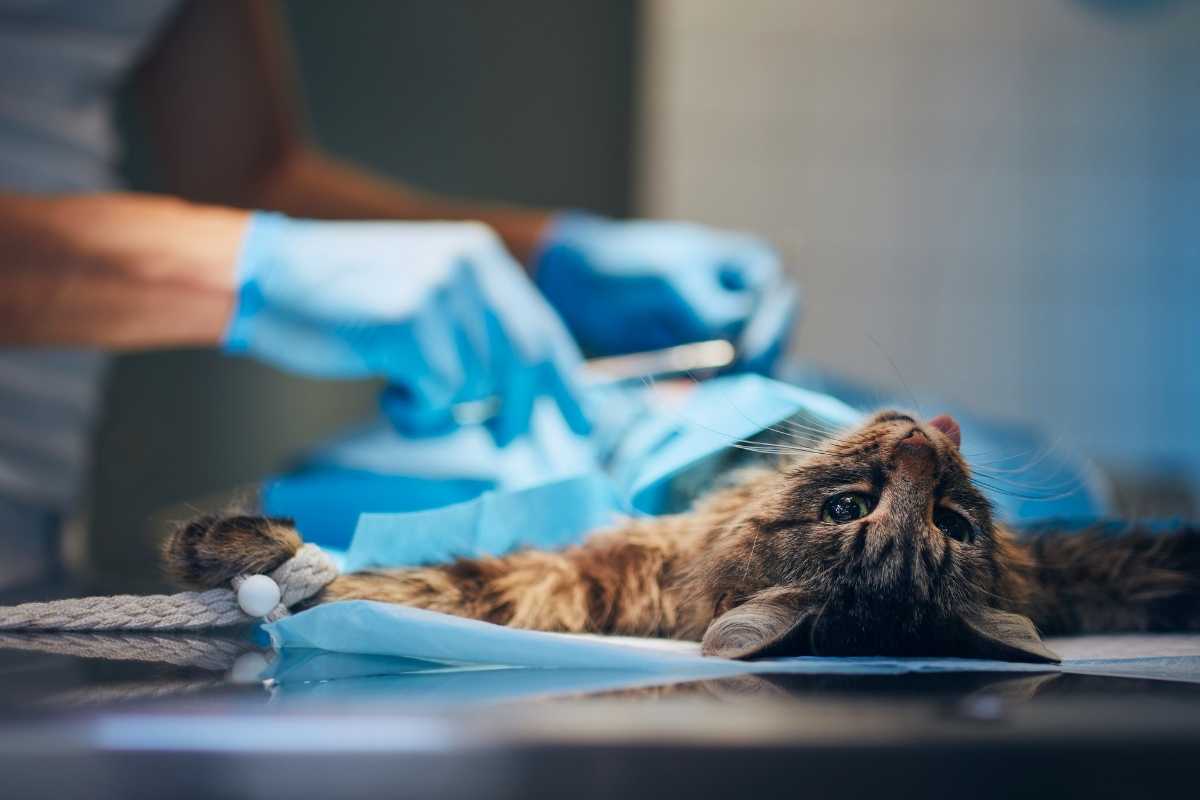
Spaying your cat is one of the most responsible decisions a pet parent can make. Beyond preventing unwanted litters, it offers lasting health and behavioral benefits. However, many cat owners wonder what to expect after surgery and how to support female cat spay recovery effectively.
Knowing the right recovery steps helps ensure your feline friend heals smoothly and avoids complications. This guide covers the full spay recovery timeline, what’s normal, and when to seek help—so you can confidently care for your cat from day one after surgery.
What Happens During a Spay Procedure?
Spaying is a common surgical procedure that removes a female cat’s ovaries and uterus to prevent reproduction. It’s typically performed under general anesthesia by an experienced veterinarian. During the operation, your cat is closely monitored to ensure safety and minimal discomfort.
While it’s a routine procedure, it still involves a small incision, meaning aftercare is crucial for proper healing. Clinics having expertise in veterinary surgery in O’Fallon take extra care to make the process as stress-free and safe as possible for your cat.
The Typical Female Cat Spay Recovery Timeline
Every cat heals differently, but most follow a general recovery pattern. Understanding this timeline helps you manage expectations and provide the right care at each stage.
Day 1–2: Post-Surgery Rest and Observation
Your cat will likely be drowsy from anesthesia for the first 24 hours. Offer a warm, quiet space where she can rest without being disturbed. Slight grogginess, low appetite, or minor swelling near the incision is normal during this stage.
Make sure she has easy access to food, water, and her litter box—but limit movement and keep her indoors. If she tries to lick the incision, an Elizabethan collar (E-collar) or recovery suit can prevent irritation or infection.
Day 3–5: Gradual Return of Energy
By day three, most cats start feeling better. You may notice her appetite returning and her interest in play slowly coming back. However, it’s important to restrict running, jumping, and climbing for at least a week to prevent pulling the stitches.
Keep monitoring the incision twice a day for redness, swelling, or discharge. Any signs of excessive pain or bleeding should be reported to your vet immediately.
Day 6–10: Healing in Progress
At this point, the incision should begin closing, and your cat’s energy will continue to improve. You can slowly reintroduce light activity, but still avoid letting her jump or engage in rough play.
If dissolvable stitches were used, they’ll begin to fade naturally. Otherwise, your vet will remove them during a follow-up visit around day ten.
Day 11–14: Almost Fully Healed
By the two-week mark, most cats are nearly recovered. The incision should look closed and free of redness. Once your vet confirms complete healing, your cat can resume normal activities.
At this stage, female cat spay recovery is typically complete, and your cat should be back to her playful, loving self.
What’s Normal After Spaying — and What’s Not
It’s natural to worry about your cat’s comfort during recovery. Here’s what’s normal — and what might indicate a problem.
Normal Symptoms:
- Mild lethargy or reduced appetite for 1–2 days
- Slight swelling or redness near the incision
- A small amount of clear fluid at the incision site
Warning Signs (Call Your Vet):
- Pus or foul odor from the incision
- Continuous vomiting or diarrhea
- Heavy bleeding or open stitches
- Hiding, trembling, or signs of severe pain
Quick action ensures minor issues don’t become serious. Always follow your vet’s post-surgery care instructions carefully.
How to Support Female Cat Spay Recovery at Home
Caring for your cat after surgery requires attention, patience, and a gentle touch. Follow these proven recovery tips:
- Create a Quiet Recovery Space: Keep her away from other pets and loud noises.
- Monitor the Incision Daily: Look for redness, swelling, or discharge.
- Prevent Licking or Chewing: Use an E-collar if necessary.
- Encourage Rest: Avoid allowing her to jump onto furniture or windowsills.
- Feed Soft, Digestible Foods: Start with small portions and monitor her appetite.
- Administer Medications on Time: Follow dosage and timing exactly as prescribed.
Supporting female cat spay recovery requires patience, attention, and love. From providing a calm recovery environment to monitoring her incision, every small step helps ensure your cat heals safely and comfortably. While mild side effects are normal, being attentive to warning signs ensures early intervention when needed.
With proper aftercare and veterinary guidance, your cat will be back to her lively, affectionate self in no time—healthier, happier, and protected from future health risks.
If you’re looking for compassionate post-surgery support, The Pet Doctor provides exceptional aftercare and follow-up services for feline patients. As a trusted family pet clinic in O’Fallon, their team ensures every cat receives gentle, individualized care throughout the healing journey.
Long-Term Benefits of Spaying
Beyond short-term healing, spaying offers long-term health advantages that extend your cat’s life expectancy and quality of life. These include:
- Reduced Risk of Cancers: Spaying prevents uterine and ovarian cancers.
- Eliminated Heat Cycles: No more yowling, restlessness, or escape attempts.
- Better Behavior: Many spayed cats are calmer and more affectionate.
- Healthier Lifestyle: Prevents life-threatening uterine infections (pyometra).
By understanding the benefits and managing female cat spay recovery carefully, you’re giving your cat a lifetime of wellness and comfort.
Frequently Asked Questions:
Q1: How long does full recovery take after spaying a cat?
Ans: Most cats heal within 10–14 days, but full internal recovery can take up to 6 weeks.
Q2: Is it normal for my cat to sleep a lot after being spayed?
Ans: Yes, increased sleep is common due to anesthesia and healing. Allow her extra rest.
Q3: When can I remove my cat’s cone?
Ans: Keep it on for at least 10 days or until your vet confirms the incision is fully healed.
Q4: Can my cat go outdoors during recovery?
Ans: No, keep her indoors to avoid infection or injury while the incision heals.
Q5: Should I bathe my cat after spaying?
Ans: Avoid bathing until your vet gives approval, as moisture can delay healing.
Q6: What if my cat won’t eat after surgery?
Ans: Offer warm, soft food. If appetite doesn’t return within 24 hours, contact your vet.