2301 Technology Drive, O’Fallon, MO 63368

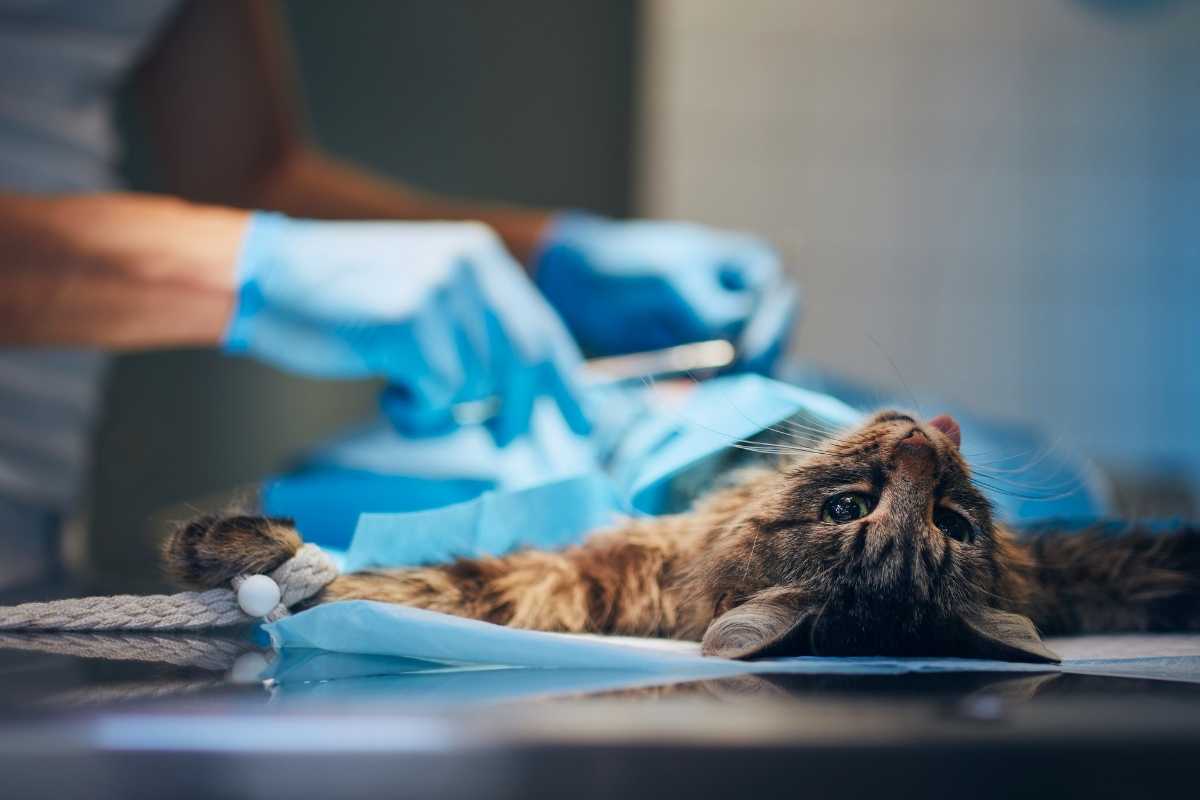
You’ve done the responsible thing by spaying your beloved cat. However, you might notice something unexpected in the weeks that follow. Your once-slim feline starts looking a bit rounder, and her favorite napping spot gets more use than ever. This isn’t your imagination—female cats often gain weight after spaying, and it’s a common concern for pet owners.
Understanding why this happens empowers you to keep your furry companion healthy and happy. In this guide, we’ll explore the science behind post-spay weight changes and share practical strategies to help your cat maintain a healthy figure.
Understanding Hormonal Changes After Spaying
Spaying removes your cat’s ovaries and uterus, which dramatically alters her hormonal balance. Estrogen and progesterone levels drop significantly after the procedure. These hormones don’t just control reproduction—they also influence metabolism and appetite regulation.
Without these hormones, your cat’s body processes energy differently. Additionally, the hormonal shift can trigger increased hunger signals. Many cat owners notice their pets begging for food more frequently after surgery.
How Metabolism Slows Down Post-Surgery
Here’s what happens inside your cat’s body after spaying:
- Metabolic rate decreases by 20-30% within weeks of surgery
- Caloric needs drop, but appetite often increases
- Energy levels may temporarily decline during recovery
- Fat storage becomes more efficient
Consequently, if you continue feeding the same portions, those extra calories turn into unwanted pounds. Your cat’s body simply doesn’t burn fuel as quickly as before.
Common Signs Your Spayed Cat Is Gaining Weight
Recognizing weight gain early helps you take action before health issues develop. Watch for these telltale signs:
- Difficulty feeling ribs under a layer of fat
- Loss of visible waist when viewed from above
- Reduced interest in play or exercise
- Heavy breathing during minimal activity
- Belly sagging or swinging when walking
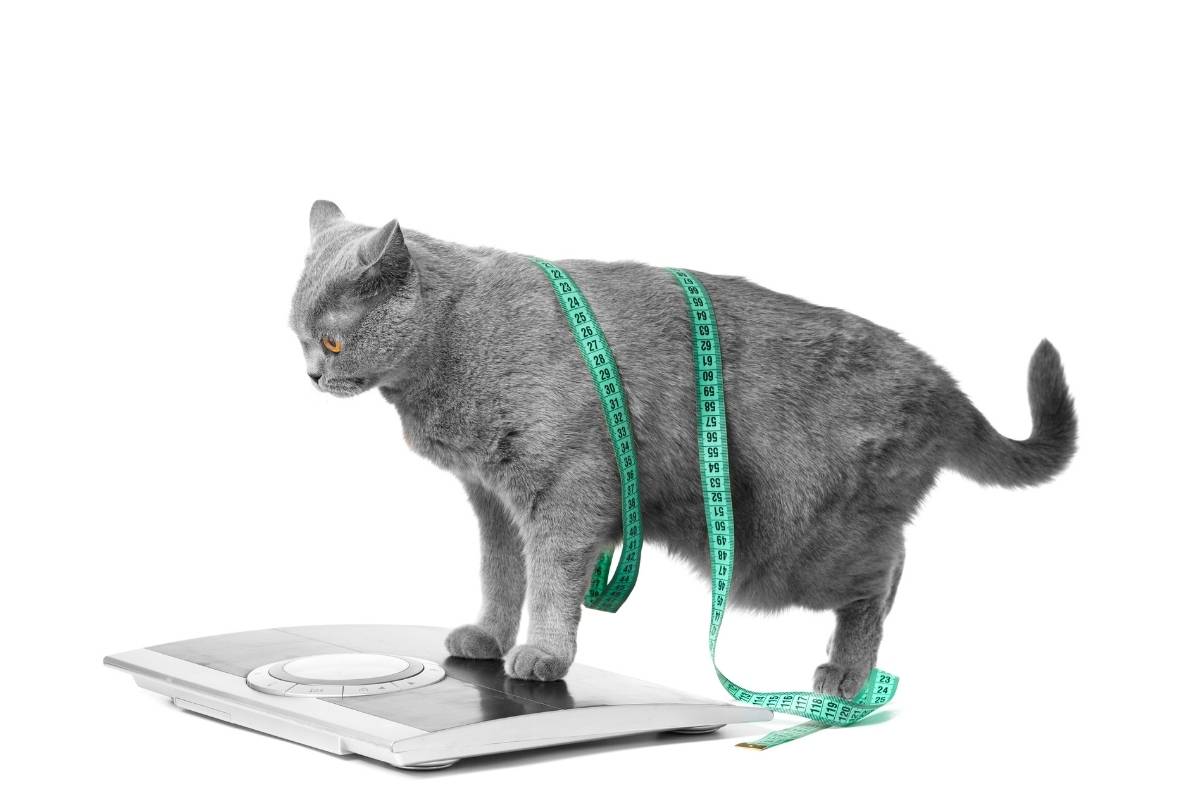
Furthermore, gradual weight gain can sneak up on you. Regular weigh-ins at home help track changes accurately.
How to Prevent Weight Gain After Spaying
The good news? Post-spay weight gain isn’t inevitable. With proactive management, your cat can maintain a healthy weight throughout her life.
Adjust Her Diet Immediately
Don’t wait until weight gain becomes visible. Start making changes right after surgery:
- Reduce daily food portions by 20-25%
- Switch to a weight management formula designed for spayed cats
- Measure food precisely instead of free-feeding
- Limit treats to no more than 10% of daily calories
Many pet nutrition experts recommend transitioning to high-protein, low-carbohydrate diets. These formulas help maintain muscle mass while preventing fat accumulation.
Increase Physical Activity
Exercise combats the metabolic slowdown effectively. Try these engagement strategies:
- Schedule two 15-minute interactive play sessions daily
- Introduce puzzle feeders that encourage movement
- Create vertical spaces for climbing and exploration
- Rotate toys weekly to maintain interest
For trusted guidance on post-operative care and weight management, The Pet Doctor – O’Fallon offers personalized nutrition consultations for spayed cats.
The Health Risks of Feline Obesity
Allowing your spayed cat to become overweight creates serious health consequences. Obese cats face higher risks of:
- Type 2 diabetes
- Joint problems and arthritis
- Liver disease (hepatic lipidosis)
- Urinary tract issues
- Shortened lifespan by 2-3 years
Therefore, maintaining a healthy weight isn’t just about appearance—it directly impacts your cat’s quality of life and longevity.
When to Seek Professional Help
Sometimes, despite your best efforts, weight management proves challenging. Contact your veterinarian if you notice:
- Rapid weight gain within the first month post-surgery
- Your cat refuses to eat reduced portions
- Signs of lethargy or depression
- Weight gain continues despite dietary changes
Professional veterinary surgery services include comprehensive follow-up care that addresses weight concerns alongside surgical recovery.
Understanding why female cats gain weight after spaying helps you take proactive steps toward lifelong feline wellness. The hormonal and metabolic changes are natural, but weight gain doesn’t have to be your cat’s destiny.
Start today by measuring portions, scheduling playtime, and monitoring your cat’s body condition weekly. Your awareness and dedication make all the difference in keeping your spayed companion healthy, active, and thriving for years to come.
Your next step: Schedule a post-spay wellness check to establish your cat’s ideal weight and create a personalized nutrition plan.
Frequently Asked Questions:
Q1: How soon after spaying do cats start gaining weight?
Ans: Most cats begin showing weight changes within 2-4 weeks after spaying. Metabolic shifts happen immediately, but visible weight gain takes time to appear. Early dietary adjustments prevent significant accumulation.
Q2: Can spayed cats lose weight safely?
Ans: Yes, spayed cats can lose weight through controlled diet reduction and increased exercise. However, rapid weight loss is dangerous for cats. Aim for a gradual loss of 1-2% body weight weekly under veterinary supervision.
Q3: Does spaying age affect the likelihood of weight gain?
Ans: Cats spayed at any age experience metabolic changes, but younger cats often adapt more easily. Older cats may require stricter dietary management because their baseline metabolism is already slower.
Q4: Are certain cat breeds more prone to post-spay weight gain?
Ans: Some breeds, including domestic shorthairs, Maine Coons, and British Shorthairs, show greater tendencies toward weight gain after spaying. Genetics play a role, but environmental factors matter equally.
Q5: How much should I feed my spayed female cat daily?
Ans: Most spayed adult cats need 20-30 calories per pound of ideal body weight daily. A 10-pound cat typically requires 200-250 calories. Always consult your vet for personalized recommendations.
Q6: Will my cat’s personality change along with her weight?
Ans: Hormonal changes may cause mild personality shifts, but significant lethargy often indicates excessive weight gain rather than personality changes. Active play helps maintain both a healthy weight and mental stimulation.