2301 Technology Drive, O’Fallon, MO 63368

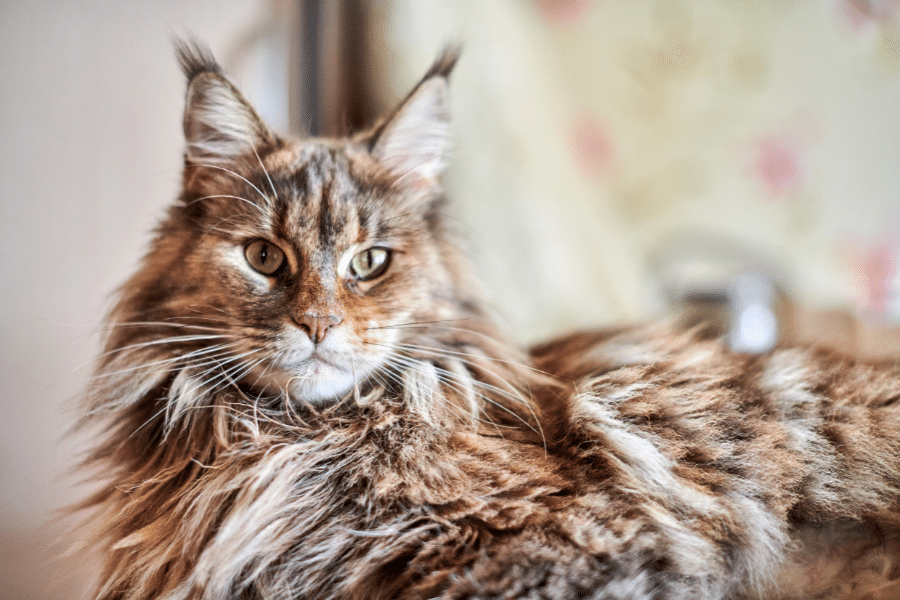
Giving your cat medicine can be stressful for both of you, especially when your cat suddenly starts drooling or producing white foam. In many cases, cat foaming at the mouth after medication happens because the medicine tastes very bitter. Some cats respond to an unpleasant taste with heavy drooling, lip licking, gagging, or foaming that can look alarming but passes fairly quickly. Still, foaming can sometimes signal a more serious reaction, particularly if it occurs with trouble breathing, weakness, vomiting, swelling, or unusual behavior. At The Pet Doctor in O’Fallon, MO, understanding the difference can help you respond calmly and safely. This guide explains why foaming happens, what signs to watch for, what you can do at home, and when your cat needs veterinary care.
Why Do Cats Foam at the Mouth After Taking Medication?
Cats may foam at the mouth after medication because they strongly dislike the taste or texture of the medicine. Bitter oral medications can trigger sudden drooling and foaming, especially when the medicine spreads across the tongue and mouth.
This reaction can look dramatic. Your cat may shake their head, lick their lips repeatedly, paw at their mouth, run away, or produce strings of saliva mixed with white foam. Cat drooling after medication is often short-lived when the medicine itself is the cause.
Several things can contribute to this reaction:
- Bitter taste: Some medicines taste unpleasant to cats and cause excessive saliva.
- Stress: Being held or given medicine can make your cat anxious.
- Mouth irritation: Certain medicines may irritate sensitive tissues.
- Difficulty swallowing: A cat may drool if the medicine feels stuck or uncomfortable.
- Taste and smell sensitivity: Cats have strong senses, so a small amount of unpleasant medication can cause a big reaction.
If the foaming starts immediately after an oral dose and your cat otherwise acts normal, the taste may be the most likely explanation. However, timing alone does not prove that the reaction is harmless.
What Other Signs Can Happen With Cat Foaming After Medicine?
Foaming is more concerning when it happens with other changes in your cat’s health or behavior. A mild taste reaction usually improves fairly quickly, while a serious medication reaction may continue or become worse.
Watch your cat closely for signs such as:
- Repeated vomiting or diarrhea
- Severe weakness or unusual sleepiness
- Trouble standing or walking
- Tremors or seizures
- Swelling around the face, lips, or eyes
- Difficulty breathing
- Pale or unusually colored gums
- Extreme agitation or confusion
- Collapse or difficulty responding
- Heavy drooling that does not improve
The difference between a brief taste reaction and a serious problem is not always obvious. For example, a cat that foams for several minutes but soon returns to normal is different from a cat that continues drooling while becoming weak or having trouble breathing.
Medication side effects in cats can vary based on the drug, dose, your cat’s age, existing health problems, and other medicines they may be taking. Never assume that a severe reaction is simply because your cat disliked the taste.
How Can a Veterinarian Tell If a Medication Caused the Reaction?
A veterinarian may look at when the foaming started, how much medication your cat received, how the medicine was given, and what other symptoms appeared. The veterinary team may also check your cat’s mouth, breathing, heart rate, temperature, hydration, and overall behavior.
Bring or provide the following information if possible:
- Medication name and strength
- Amount given
- Time the medication was given
- How the medicine was administered
- Any other medications your cat receives
- When the foaming started
- Other symptoms you noticed
A useful example is a cat that begins foaming within a minute of receiving a liquid medicine but remains alert, walks normally, and stops drooling soon afterward. That pattern can fit a strong taste response. A cat that develops vomiting, weakness, breathing changes, or swelling needs a more careful evaluation.
In a hypothetical case, a cat named Milo began producing thick white saliva immediately after his owner gave him an oral medicine. He remained alert and stopped foaming after several minutes, so the veterinarian focused on the timing and lack of other symptoms. The episode was considered consistent with a strong response to the medicine’s unpleasant taste, while the owner was advised to monitor Milo closely and contact the veterinary team if additional symptoms developed.
What Should You Do If Your Cat Is Foaming After Medicine?
If your cat starts foaming right after receiving medication but is breathing normally and acting alert, stay calm and observe them closely. A strong reaction to a bitter taste may settle once the taste is gone.
Avoid giving another dose simply because you think some medicine may have been lost. You may accidentally give your cat too much medication. Instead, contact your veterinarian and explain what happened.
You can also take these steps:
- Keep your cat in a quiet, safe area.
- Watch their breathing and behavior.
- Note how long the foaming lasts.
- Check for vomiting, weakness, swelling, or other unusual signs.
- Keep the medication container available for reference.
- Follow your veterinarian’s instructions about the next dose.
Do not force food, water, or another medication into your cat’s mouth while they are actively foaming or struggling. Your veterinarian in O’Fallon can tell you whether any further action is appropriate based on the medicine involved.
Some owners wonder whether they should rinse their cat’s mouth. This is not always necessary and may create additional stress or increase the risk of aspiration if your cat resists. Ask your veterinarian before trying anything that involves putting more liquid into your cat’s mouth.
When Is Foaming After Medication an Emergency?
A cat foaming at the mouth needs urgent veterinary attention when the foaming occurs with breathing problems, collapse, seizures, severe weakness, facial swelling, repeated vomiting, or other major changes. These signs can indicate a serious reaction, poisoning, overdose, or another medical problem.
Contact a veterinarian promptly if your cat develops:
- Difficulty breathing or open-mouth breathing
- Facial or throat swelling
- Collapse or inability to stand
- Seizures or severe tremors
- Extreme weakness
- Repeated vomiting
- Severe confusion or abnormal behavior
- Heavy drooling that continues or worsens
- A suspected overdose or accidental ingestion
If you believe your cat received the wrong medication, the wrong amount, or a medication intended for another pet or person, do not wait for symptoms to become severe. Contact a veterinarian for guidance as soon as possible.
Timing matters because some reactions may develop after the first visible sign. Your veterinarian can help determine whether your cat needs to be examined and whether additional treatment or monitoring is needed.
How Can You Make Oral Medication Easier for Your Cat?
Some cats foam every time they taste a particularly bitter medicine. Making medication time calmer can reduce stress, although it may not completely prevent a taste-related reaction.
Ask your veterinarian whether your cat’s specific medicine can be given with food, changed to another formulation, or administered in a different way. Never crush or mix medication into food unless your veterinarian confirms that doing so is safe.
Helpful habits include:
- Prepare everything before bringing your cat over.
- Use the technique your veterinary team showed you.
- Give the medication calmly and efficiently.
- Avoid chasing your cat around the house.
- Reward calm behavior afterward when appropriate.
- Keep medication stored safely between doses.
For cats that consistently struggle with oral medicine, talk with your veterinarian about possible alternatives. Depending on the medication, there may be another way to provide the treatment.
A calm routine can also help your cat become less fearful of medication time. The goal is not to force the process faster, but to make it predictable and as low-stress as possible.
Can Medication Cause Drooling Even Without Foaming?
Yes. Medication can cause drooling without obvious foam, particularly when a cat dislikes the taste. Some cats may drool heavily, lick their lips, swallow repeatedly, or shake their heads after receiving oral medicine.
The amount of drooling does not necessarily tell you how serious the reaction is. A small amount of medication with a very bitter taste can produce a surprisingly large amount of saliva.
What matters most is your cat’s overall condition. A cat that drools briefly but stays bright, alert, and comfortable is generally less concerning than one that drools continuously while showing weakness, breathing changes, vomiting, or abnormal behavior.
Because every medication is different, your veterinarian is the best person to determine whether a particular reaction is expected. If you are unsure, calling for guidance is safer than guessing.
What Should You Do About the Next Dose?
Do not automatically repeat a dose because your cat foamed after receiving it. Foaming does not tell you how much medication was swallowed, and giving an extra dose could result in an overdose.
Instead, contact your veterinarian and explain exactly what happened. Tell them whether your cat spit out the medication, vomited, foamed immediately, or appeared to swallow the full dose.
Your veterinarian may recommend continuing the medication, changing how it is given, adjusting the timing, or stopping it until your cat can be evaluated. The right choice depends on the specific medicine and why your cat is taking it.
Keeping a simple medication record can help. Write down the time the medicine was given, the amount, your cat’s reaction, and how long the symptoms lasted. This information can make your next conversation with the veterinary team much more useful.
When Should You Call Your Veterinarian About Foaming?
Call your veterinarian if you are concerned about cat foaming at the mouth after medication, especially when you cannot tell whether your cat received the full dose or whether another symptom is developing. A quick conversation can help you decide whether observation at home is reasonable or an examination is needed.
Seek prompt veterinary care when:
- The foaming does not improve.
- Your cat develops new symptoms.
- Your cat seems painful or unusually distressed.
- You suspect an incorrect dose.
- Your cat may have received another medication accidentally.
- Your cat becomes weak, confused, or unsteady.
- Your cat has trouble breathing.
- Your cat collapses or has a seizure.
Your cat’s reaction should always be considered in context. A short episode of foaming immediately after a bitter medicine can be very different from persistent drooling accompanied by signs of illness.
Conclusion
Foaming at the mouth after medicine can be frightening, but a bitter taste is a common reason cats suddenly drool or produce white foam after an oral dose. The reaction often improves when the unpleasant taste passes, especially when your cat remains alert and otherwise acts normally. Still, persistent foaming, breathing trouble, vomiting, weakness, swelling, seizures, or suspected medication errors require prompt veterinary attention.
If you are worried about a medication reaction or are unsure what to do about the next dose, contact The Pet Doctor in O’Fallon, MO. A veterinarian can help you understand what your cat’s symptoms may mean and determine the safest next step for your pet.
FAQs
Q1: Why is my cat foaming at the mouth after taking medicine?
A: A bitter or unpleasant medication taste is a common reason cats foam or drool after oral medicine. Stress, mouth irritation, or difficulty swallowing can also contribute. If the reaction is severe or occurs with other symptoms, contact your veterinarian.
Q2: How long should a cat foam after medication?
A: A taste-related reaction may improve fairly quickly once the medicine is no longer in the mouth. There is no single time limit that applies to every medication. If foaming continues, worsens, or is accompanied by other symptoms, seek veterinary guidance.
Q3: Should I give my cat another dose if they foam after medicine?
A: No, do not automatically repeat the dose. Foaming does not tell you how much medication your cat swallowed, so another dose could result in too much medicine being given. Ask your veterinarian what to do next.
Q4: Can cat foaming after medicine mean the medication is causing a bad reaction?
A: It can, but foaming alone does not prove that your cat is having a dangerous reaction. Watch for additional signs such as vomiting, weakness, swelling, breathing problems, tremors, or unusual behavior. These signs warrant prompt veterinary attention.
Q5: When should I take my cat to a vet for foaming at the mouth?
A: Seek prompt veterinary care if foaming is persistent or occurs with trouble breathing, facial swelling, repeated vomiting, severe weakness, seizures, collapse, or suspected overdose. When in doubt, contact your veterinarian rather than giving another dose or trying home treatments.