
2301 Technology Drive, O’Fallon, MO 63368

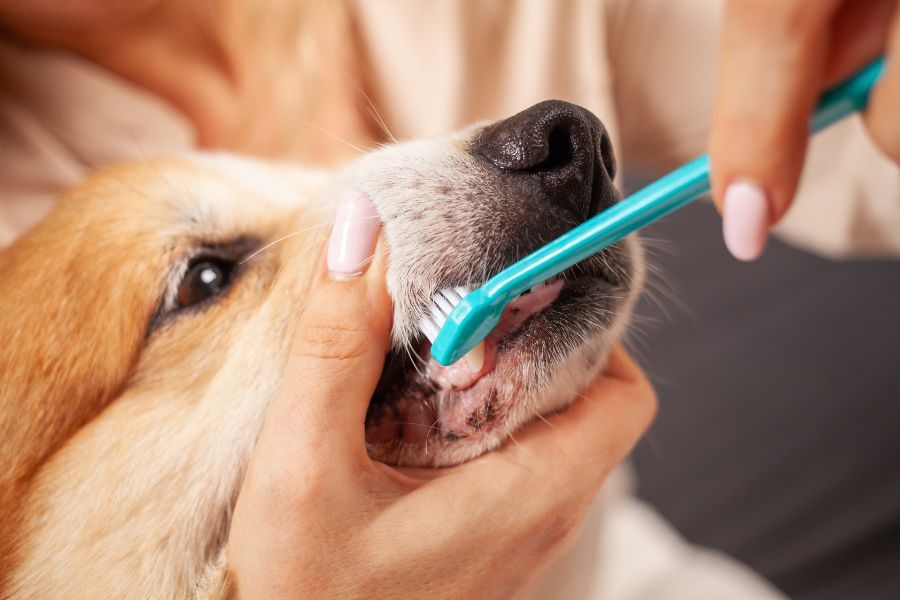
Just like people, dogs need regular dental care to stay healthy. If you are busy and find it hard to fit your dog’s oral hygiene into your schedule, there is good news. You can brush your dog’s teeth in about five minutes, and it requires minimal effort. Following a simple routine can help prevent plaque buildup, reduce the risk of gum disease, and keep your dog’s breath smelling fresh. This guide will show you simple steps to keep your dog’s teeth clean and healthy in under 5 minutes a day.
Why Brushing Your Dog’s Teeth Matters
Brushing your dog’s teeth regularly is vital for their health. Dogs can develop plaque and tartar on their teeth, which can lead to gum problems and tooth decay. These issues can also lead to other health problems, as bacteria from the mouth can enter the bloodstream and affect key organs such as the heart and kidneys.
- Prevents Plaque and Tartar Buildup: Brushing regularly helps remove food particles and bacteria before they harden into plaque and tartar.
- Fresher Breath: Brushing helps remove bacteria and food debris, which can build up and cause odor.
- Promotes Overall Health: Maintaining healthy teeth and gums helps prevent serious health problems in the future.
Taking a few minutes each day to brush your dog’s teeth can significantly improve their happiness and health.
Step 1: Gather Your Tools
Before you begin, ensure you have all the necessary tools nearby. Having everything within easy reach will help the process go smoothly and efficiently.
- Dog Toothbrush: Use a toothbrush specifically designed for dogs. These have softer bristles that are gentle on their gums.
- Dog-safe Toothpaste: Select a toothpaste that is made specifically for dogs, ensuring it is safe if swallowed and has flavors like peanut butter or poultry that your pet will enjoy.
- Towel or Cloth: Having a towel nearby can help clean up any mess or wipe your dog’s face afterward.
Step 2: Get Your Dog Comfortable
The key to a successful brushing session is to ensure your dog feels relaxed and at ease. Approach your dog gently and calmly to reduce stress.
- Choose a Quiet Space: Choose a spot in your home where your dog feels relaxed, such as their favorite place on the couch or a cozy corner in the living room.
- Start Slow: If your dog isn’t familiar with having its teeth brushed, begin by gently touching their mouth with your fingers to help them become comfortable with the feeling before using a toothbrush.
- Use Positive Reinforcement: After each tooth brushing session, praise your dog or offer a treat to help them understand that the activity is a positive experience.
Taking the time to ensure comfort will make brushing your dog’s teeth much easier.
Step 3: Apply Toothpaste to the Brush
Once your dog is at ease, apply the toothpaste by placing a small amount onto the brush. You only need enough to cover the bristles, not a large quantity.
- Squeeze a Small Amount: A pea-sized amount of toothpaste is enough to clean their teeth.
- Avoid Using Human Toothpaste: Human toothpaste contains ingredients that are toxic to dogs, so make sure you use a pet-safe option.
Using the right amount of toothpaste will help keep the brushing process quick and effective.
Step 4: Brush in Small, Gentle Circles
Carefully lift your dog’s lips and gently brush using small, circular motions. Pay special attention to areas where plaque tends to gather, such as the back teeth, to help keep your dog’s mouth clean and healthy.
- Start with the front teeth, then work your way back.
- Avoid pressing too hard; gentle brushing is enough to remove plaque and food particles.
- Aim to spend around 30 seconds on each side of your dog’s mouth. It’s easy to do this in a minute or two, ensuring thorough coverage of the teeth and gums.
The goal is to make the process quick but thorough, giving your dog a clean mouth without causing any stress.
Step 5: Rinse and Reward Your Dog
- After brushing, gently wipe your dog’s mouth with a damp cloth or towel to clear away any remaining toothpaste. Rinse their mouth with water if necessary, but since most dog-safe toothpastes don’t require rinsing, this step is often optional.
- Reward your dog for being well-behaved with a treat or a favorite toy. This helps them make a positive connection between brushing and a good experience.
- Rinsing and rewarding your dog makes the experience more pleasant for them and helps ensure they are prepared for future sessions.
Keep Up the Routine for Best Results
Consistency is essential when caring for your dog’s teeth. Try to brush your dog’s teeth 3 to 4 times a week, but brushing daily is best for their dental health. Regular brushing combined with annual vet checkups helps maintain your dog’s dental health and prevents issues before they arise.
Keep Your Dog’s Smile Healthy
Brushing your dog’s teeth for just five minutes each day is a simple and effective way to support their dental health. Following these steps can help keep your dog’s teeth clean, ensure their breath stays fresh, and promote their overall well-being. If you’re busy, remember that spending just five minutes can still make a meaningful difference in your dog’s health. At The Pet Doctor, we recognize how critical dental care is for your pet’s overall health. If you’re looking for professional dental exams or guidance on brushing techniques in O’Fallon, MO, contact us today to help keep your dog’s oral health in excellent condition.
FAQs
- Do dogs need dental cleanings at the vet?
Yes, even if you brush your dog regularly, it still needs professional cleanings to remove tartar and ensure good oral health. Visiting the veterinarian once a year is recommended to keep your dog healthy.
- What should I do if my dog’s breath smells bad?
Bad breath can indicate dental issues like plaque accumulation or gum disease. Regular brushing and veterinary visits can help address this problem.
- How can I keep my dog’s teeth healthy without brushing?
Brushing your dog’s teeth is the best way to keep their dental health in check. Dental chews and toys can also assist in reducing plaque buildup.
- What’s the best toothpaste for my dog?
Choose a toothpaste that is specifically made for pets. These products are safe to swallow and often come in flavors, such as poultry or peanut butter, that dogs find appealing.
- How can I prevent my dog from developing dental problems?
Be sure to brush your dog’s teeth regularly and provide dental treats to support their oral health. It is also essential to schedule routine visits with the veterinarian to identify any health issues early and ensure your pet stays in good condition.