
2301 Technology Drive, O’Fallon, MO 63368

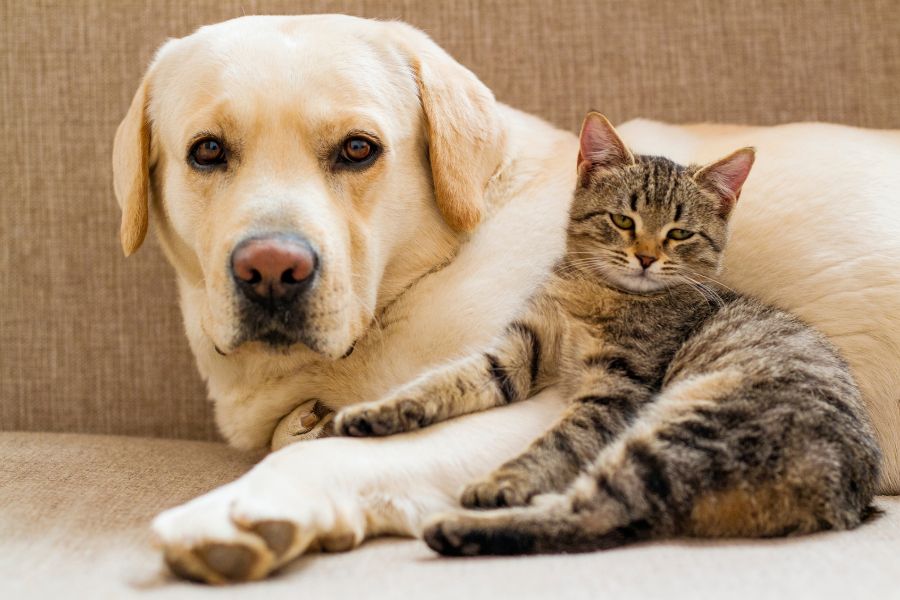
As pets grow older, their health needs change. Senior pet care focuses on catching age-related conditions early, before they become serious or harder to manage. From bloodwork and dental exams to arthritis evaluations and cancer screenings, regular wellness testing helps older dogs and cats stay healthier, more comfortable, and active for longer.
Many pets begin showing signs of aging around 7 years old, although larger dog breeds may age faster. In this guide, you’ll learn which health screenings every senior pet should have, why these tests matter, and how they help improve your pet’s quality of life.
When Is a Pet Considered a Senior?
Pets age differently based on species, breed, and size. In general:
- Cats are often considered seniors around age 10
- Small dogs become seniors around 8 to 10 years old
- Large breed dogs may reach senior status by age 6 or 7
Senior pets are more likely to develop chronic conditions such as arthritis, kidney disease, diabetes, heart disease, and cancer. Because many of these illnesses develop slowly, regular screenings are one of the most important parts of senior pet care.
Why Preventive Screenings Matter for Senior Pets?
Older pets are experts at hiding discomfort. Cats, especially, may continue normal routines even when they are sick. Routine health screenings allow veterinarians to identify subtle changes before symptoms become obvious.
Benefits of senior pet screenings include:
- Earlier diagnosis of the disease
- Better long-term treatment outcomes
- Improved comfort and mobility
- Longer lifespan
- Reduced risk of emergency health issues
In many cases, conditions found early can be managed with medication, diet changes, dental care, or lifestyle adjustments.
Comprehensive Physical Exams
A thorough physical exam is the foundation of senior pet care. Most veterinarians recommend exams every six months for older pets because their health can change quickly.
During the exam, your veterinarian may evaluate:
- Weight and muscle loss
- Heart and lung function
- Joint stiffness or pain
- Skin lumps or masses
- Vision and hearing
- Dental health
- Hydration levels
- Behavior changes
Even small differences in appetite, weight, or mobility can provide important clues about your pet’s overall health.
Bloodwork and Laboratory Testing
Routine blood tests are among the most valuable screenings for senior pets. These tests help detect hidden illnesses before symptoms appear.
Complete Blood Count (CBC)
A CBC checks:
- Red blood cells
- White blood cells
- Platelets
This test can help identify infections, inflammation, anemia, and immune system disorders.
Blood Chemistry Panel
Chemistry panels evaluate organ function and can reveal:
- Kidney disease
- Liver disease
- Diabetes
- Pancreatitis
- Electrolyte imbalances
Senior pets often develop these conditions gradually, making routine monitoring extremely important.
Urinalysis
Urine testing helps detect:
- Urinary tract infections
- Kidney problems
- Diabetes
- Bladder crystals
- Hydration issues
Cats are particularly prone to kidney disease as they age, so regular urine testing is a key part of feline senior pet care.
Dental Health Screenings
Dental disease is one of the most common health problems in older pets. Unfortunately, it often goes unnoticed until pain becomes severe.
Signs of dental disease include:
- Bad breath
- Difficulty chewing
- Drooling
- Pawing at the mouth
- Bleeding gums
- Loose teeth
Dental infections can spread bacteria to the heart, liver, and kidneys if left untreated. Regular oral exams and professional cleanings help protect both dental and overall health.
Arthritis and Mobility Evaluations
Joint pain affects many senior dogs and cats. Arthritis can develop slowly, making symptoms easy to miss at first.
Common signs include:
- Difficulty standing up
- Slower movement
- Hesitation with stairs or jumping
- Limping
- Sleeping more often
- Irritability when touched
Veterinarians may recommend mobility screenings, joint palpation, or X-rays to evaluate arthritis severity. Treatment options often include:
- Weight management
- Joint supplements
- Anti-inflammatory medications
- Physical therapy
- Laser therapy
- Modified exercise routines
Early arthritis management greatly improves comfort and mobility.
Heart Health Screenings
Senior pets are at higher risk of heart disease. During routine exams, veterinarians listen for heart murmurs, abnormal rhythms, or changes in breathing.
Additional heart screenings may include:
- Chest X-rays
- Blood pressure testing
- Electrocardiograms (ECG)
- Echocardiograms
Symptoms of heart disease may include coughing, fatigue, rapid breathing, or reduced activity levels. Early diagnosis can help pets live comfortably for years with proper treatment.
Cancer Screenings for Older Pets
Cancer becomes more common with age in both dogs and cats. Early detection is critical for successful treatment.
Veterinarians may check for:
- Skin masses
- Enlarged lymph nodes
- Weight loss
- Changes in appetite
- Abnormal bleeding
- Persistent coughing
If suspicious growths are found, your veterinarian may recommend:
- Fine needle aspiration
- Biopsy
- X-rays
- Ultrasound imaging
Pet owners should also regularly check for new lumps at home and report any changes quickly.
Vision and Hearing Assessments
Senior pets often experience gradual vision or hearing loss. Many adapt well, so symptoms can be subtle.
Possible signs include:
- Startling easily
- Confusion in dark rooms
- Bumping into objects
- Ignoring commands
- Anxiety or clinginess
Vision problems may result from cataracts, glaucoma, or retinal disease. Hearing loss is also common in aging dogs. Routine screenings help identify changes and support safer home adjustments.
Thyroid and Hormone Testing
Hormonal disorders frequently affect older pets.
Common Hormonal Conditions in Senior Pets
Cats:
- Hyperthyroidism
Dogs:
- Hypothyroidism
- Cushing’s disease
- Diabetes
Symptoms may include:
- Weight changes
- Increased thirst
- Hair loss
- Appetite changes
- Increased urination
- Low energy
Blood testing helps diagnose these conditions early, often allowing effective long-term management.
Weight and Nutrition Monitoring
Weight changes in senior pets should never be ignored. Sudden weight gain or loss can indicate an underlying illness.
Veterinarians evaluate:
- Body condition score
- Muscle mass
- Appetite
- Dietary needs
Senior pets often benefit from nutrition plans designed to support:
- Joint health
- Kidney function
- Healthy digestion
- Weight control
- Cognitive function
Maintaining a healthy weight reduces stress on joints and organs while improving overall quality of life.
How Often Should Senior Pets Have Health Screenings?
Most veterinarians recommend:
- Wellness exams every 6 months
- Annual bloodwork at a minimum
- More frequent testing for pets with chronic conditions
Because pets age faster than humans, twice-yearly visits for senior pets are similar to annual physicals for people.
Regular checkups also help veterinarians track trends over time, making subtle health changes easier to identify.
Signs Your Senior Pet Should See a Vet Immediately
Schedule an appointment promptly if your older pet experiences:
- Sudden weight loss
- Difficulty breathing
- Loss of appetite
- Vomiting or diarrhea
- Trouble walking
- Increased thirst
- Accidents in the house
- New lumps or swelling
- Behavior changes
- Persistent coughing
Quick medical attention can often prevent complications and improve treatment success.
Creating a Comfortable Life for Aging Pets
Along with regular screenings, simple home adjustments can help senior pets stay comfortable.
Helpful changes may include:
- Orthopedic bedding
- Non-slip rugs
- Elevated food bowls
- Ramps for furniture or stairs
- Softer exercise routines
- Consistent daily schedules
Mental stimulation is also important. Gentle play, food puzzles, and interaction help keep senior pets engaged and emotionally healthy.
Conclusion
Senior pet care is about more than treating illness; it is about preventing problems, improving comfort, and supporting a better quality of life as pets age. Regular health screenings q allow veterinarians to detect issues early and create personalized care plans for older dogs and cats. If your pet is entering their senior years, schedule a wellness exam to stay ahead of age-related health concerns. The experienced team at The Pet Doctor in O’Fallon, MO, can help your aging pet stay healthy, active, and comfortable for years to come.
FAQs
Q1: At what age should senior pet screenings begin?
Ans: Most pets should begin senior wellness screenings around age 7, although large breed dogs may need earlier monitoring.
Q2: How often should senior pets visit the vet?
Ans: Senior pets generally benefit from veterinary exams every six months because health conditions can develop quickly with age.
Q3: What diseases are most common in senior pets?
Ans: Common conditions include arthritis, kidney disease, heart disease, diabetes, dental disease, thyroid disorders, and cancer.
Q4: Are blood tests necessary for healthy senior pets?
Ans: Yes, many diseases develop silently in older pets, and bloodwork can detect problems before symptoms appear.
Q5: Can senior pets still live active and happy lives?
Ans: Absolutely, with proper medical care, nutrition, exercise, and regular screenings, many senior pets enjoy healthy and active lives well into their later years.