2301 Technology Drive, O’Fallon, MO 63368

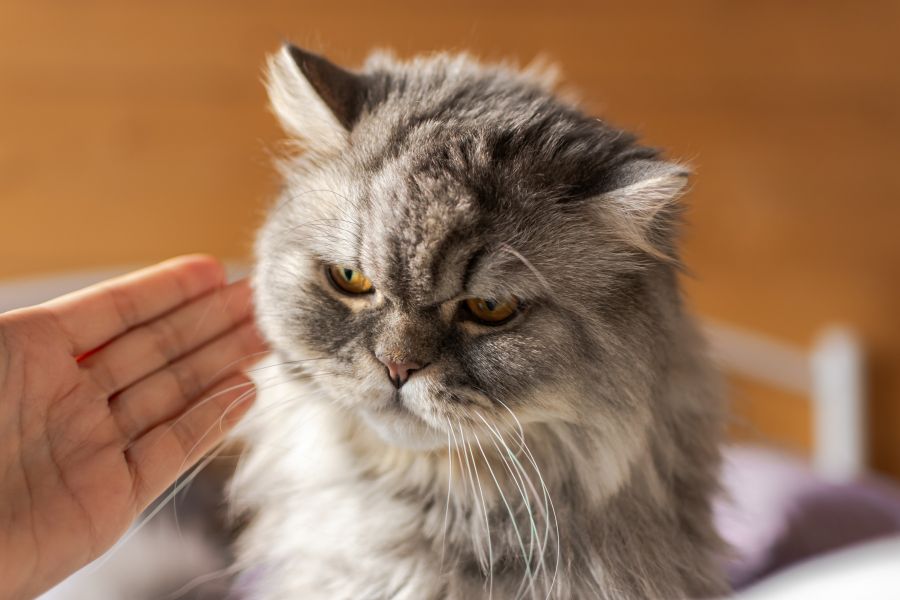
As cats age, behavioral changes can sometimes signal more than just normal aging. Cat Dementia, also known as cognitive dysfunction syndrome, affects many senior cats and can impact their memory, awareness, and daily habits. In this guide, we’ll explain the signs, causes, and effective care tips to help you support your aging feline and improve their quality of life.
What Is Cat Dementia?
Cat Dementia is a condition similar to cognitive decline in humans. It affects a cat’s brain function, leading to confusion, disorientation, and changes in behavior. This condition is most common in cats over the age of 10, and the risk increases as they grow older. While it cannot be completely cured, early detection and proper care can slow its progression.
Common Signs of Cat Dementia
Recognizing the symptoms early is key to managing cat dementia effectively. Some of the most common signs include:
- Disorientation or getting lost in familiar spaces
- Increased vocalization, especially at night
- Changes in sleep patterns
- Forgetting litter box habits
- Reduced interest in playing or interacting
- Anxiety or irritability
If your cat shows multiple symptoms, it’s important to consult a veterinarian for proper evaluation.
What Causes Cat Dementia?
The exact cause of cat dementia is not fully understood, but it is linked to age-related changes in the brain.
Possible contributing factors include:
- Degeneration of brain cells
- Reduced blood flow to the brain
- Build-up of proteins that affect brain function
- Oxidative stress and inflammation
These changes gradually impact memory, learning, and awareness, leading to noticeable behavioral shifts.
How Is Cat Dementia Diagnosed?
There is no single test to confirm cat dementia, so veterinarians typically use a combination of methods:
- Reviewing your cat’s medical history
- Observing behavioral changes
- Performing physical and neurological exams
- Ruling out other conditions like thyroid disease or arthritis
Accurate diagnosis is important because many medical issues can mimic dementia symptoms.
Care Tips to Manage Cat Dementia at Home
Managing cat dementia requires patience, consistency, and a supportive environment. Here are proven ways to help your cat feel more comfortable:
Maintain a Consistent Routine
Cats with cognitive issues do better when their daily schedule stays predictable. Feed, play, and interact at the same time each day.
Keep the Environment Familiar
Avoid rearranging furniture or moving essential items like food bowls and litter boxes. Familiar surroundings reduce confusion.
Improve Accessibility
Make it easier for your cat to reach important areas:
- Use low-entry litter boxes
- Provide ramps or steps to favorite resting spots
- Keep food and water easily accessible
Provide Mental Stimulation
Gentle play and interactive toys can help keep your cat’s brain engaged. Even short sessions can make a difference.
Use Night Lights
Since many cats with cat dementia experience nighttime confusion, soft lighting can help them navigate the house more easily.
Diet and Supplements for Brain Health
Nutrition plays an important role in managing cat dementia.
Veterinarians may recommend:
- Diets rich in antioxidants
- Omega-3 fatty acids for brain support
- Specialized senior cat food formulas
In some cases, supplements or medications may be prescribed to improve cognitive function and reduce anxiety.
Always consult your veterinarian before making dietary changes.
When Should You See a Veterinarian?
While mild symptoms can be managed at home, certain signs require professional attention.
Contact your vet if your cat:
- Suddenly becomes disoriented
- Stops eating or drinking
- Shows signs of pain or distress
- Has frequent accidents outside the litter box
Early intervention can help slow the progression of cat dementia and improve your pet’s comfort.
Can Cat Dementia Be Prevented?
There is no guaranteed way to prevent cat dementia, but you can reduce the risk with healthy habits:
- Provide a balanced diet
- Encourage regular physical activity
- Keep your cat mentally stimulated
- Schedule routine veterinary checkups
These steps support overall brain health and may delay cognitive decline.
Understanding cat dementia helps you provide better care and compassion for your aging feline companion. By recognizing early signs and making simple adjustments at home, you can significantly improve your cat’s comfort and well-being.
If you notice changes in your cat’s behavior, the caring team at The Pet Doctor in O’Fallon, MO is here to help. Schedule a visit today at The Pet Doctor in O’Fallon, MO, and ensure your senior cat gets the support they need to live a happy, healthy life.
FAQs:
Q1: At what age do cats typically develop dementia?
Ans: Most cats show signs of dementia after age 10, with symptoms becoming more noticeable in older senior cats.
Q2: Can cat dementia be treated?
Ans: While there is no cure, medications, diet, and environmental changes can help manage symptoms effectively.
Q3: Is cat dementia painful?
Ans: Cat dementia itself is not painful, but it can cause anxiety and confusion that affect your cat’s quality of life.
Q4: How can I calm a cat with dementia at night?
Ans: Using night lights, maintaining a routine, and providing a quiet sleeping area can help reduce nighttime anxiety.
Q5: Are there special foods for cats with dementia?
Ans: Yes, many senior cat foods contain antioxidants and nutrients that support brain health and cognitive function.